




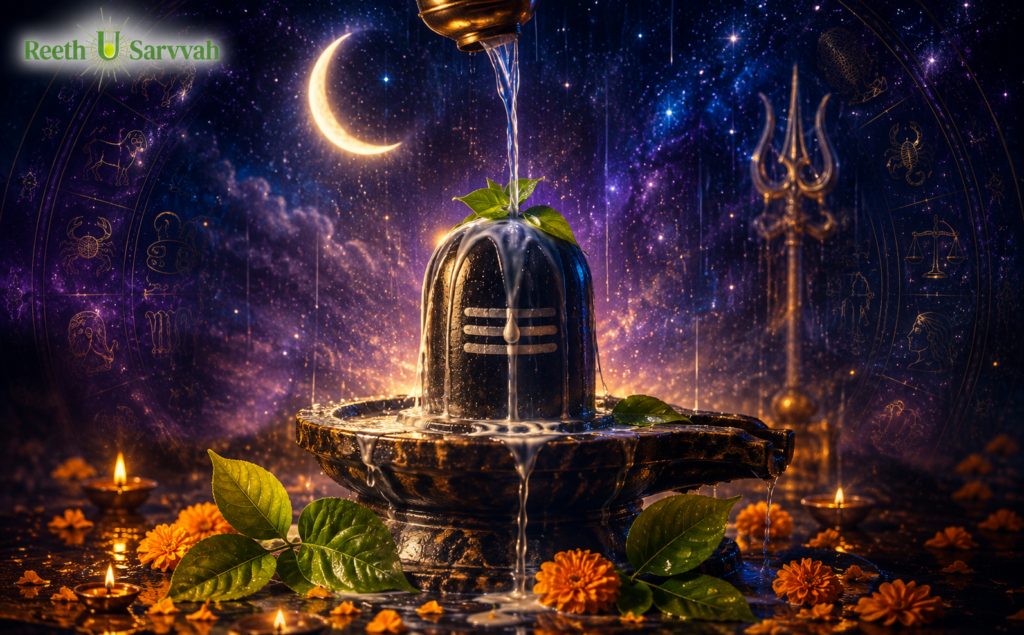
Shravan Month (Maas) 2026: Significance, Rituals & What It Means for Your Rash
If you’ve been waiting for Shravan 2026 to begin, you’re not alone. This is the one month that lakhs of devotees across India mark on their calendars every single year. Shravan Month 2026 is considered the holiest period dedicated to Lord Shiva, a time when devotees observe fasts, perform daily worship, and seek blessings for health, peace, and prosperity. Whether you’re planning your temple visits, wondering what puja to perform, or curious what this sacred month means for your rashi this guide covers it all in one place.
What is Shravan Month (Maas)?
Shravan Maas, known as Shravan in everyday conversation, is the fifth month of the Hindu lunar calendar and is considered the most sacred month for the worship of Lord Shiva. Falling during the monsoon season (July–August or August–September, depending on the region), it is a time of fasting, prayer, and devotion. The month derives its name from the Shravana Nakshatra, the star constellation associated with the full moon during this period, and its dates vary each year according to the Hindu lunar calendar.
Shravan 2026 Dates When Does Shravan Begin and End
One of the most searched questions every year is simple: when does Shravan begin, and when does it actually end? Since Hindu months are calculated using the lunar calendar, the dates shift slightly each year, and they also differ between North and South India.
This difference exists because North India follows the Purnimanta calendar (the month ends on the full moon), while South and West India including Maharashtra, where Nagpur is located follow the Amavasyant calendar (the month ends on the new moon). Both systems track the same lunar phases; they simply count the start and end of the month differently, which is why the two regional windows sit about two weeks apart even though they’re really following the same moon.
Shravan Month 2026 Dates by Region
| States / Area | Start Date | End Date | |
|---|---|---|---|
| North India | Rajasthan, UP, MP, Bihar, Punjab, Himachal Pradesh, Delhi | 30th July 2026 | 28th August 2026 |
| South & West India | Maharashtra, Gujarat, Karnataka, Andhra Pradesh, Telangana, Tamil Nadu, Goa | 13th August 2026 | 11th September 2026 |
Shravan Somwar 2026 Dates
The Mondays of Shravan, known as Shravan Somwar, are considered the most auspicious days of the entire month for Shiva Puja. In 2026, the third Somwar of the North Indian calendar and the first Somwar of the South/West calendar both coincide with Nag Panchami making that particular Monday an especially significant day for worship in both traditions.
| Somwar | North India | South & West India | Significance |
|---|---|---|---|
| 1st Shravan Somvar | 3rd August 2026 | 17th August 2026 | First Shiva Monday of the month; South’s 1st Somvar coincides with Nag Panchami |
| 2nd Shravan Somvar | 10th August 2026 | 24th August 2026 | Peak fasting observance |
| 3rd Shravan Somvar | 17th August 2026 | 31st August 2026 | North’s 3rd Somvar coincides with Nag Panchami |
| 4th Shravan Somvar | 24th August 2026 | 7th September 2026 | Final Somvar Solah Somvar Vrat completion for many |
Why Is Shravan Month Considered So Sacred?
The significance of this month goes back to one of the most powerful stories in Hindu mythology, the Samudra Manthan, or the churning of the cosmic ocean. During this event, a deadly poison called Halahala emerged, threatening to destroy all of creation. Lord Shiva, out of compassion for the universe, drank the poison and held it in his throat, which turned blue earning him the name Neelkanth. Devotees believe this sacrifice happened during Shravan, which is why the entire month is dedicated to honouring him. Pouring water and milk over the Shivling throughout Shravan is symbolic of cooling that poison and easing Lord Shiva’s suffering.
Another popular legend connects this month to Goddess Parvati, who is said to have observed deep penance and fasting through Shravan to be united with Lord Shiva as her husband. Pleased by her devotion, Shiva accepted her prayers which is why unmarried women, even today, observe fasts during this month hoping for a similarly blessed union.
Why Does Shravan Fall in July–August Every Year?
Every Hindu lunar month gets its name from the Nakshatra (star constellation) the moon is closest to on the Purnima, or full moon day, of that month. Since the full moon during this period falls near the Shravana Nakshatra, the month itself is named Shravan. Because Hindu months follow the lunar calendar while the seasons follow the solar calendar, the two don’t align perfectly. This is exactly why Shravan 2026 dates differ slightly from last year’s, and why they’ll shift again next year. It’s a reminder that timing and naming in Vedic tradition are rarely arbitrary much like how your own Mulank is derived from the specific date you were born.
There’s also a deeper spiritual layer to the timing. Shravan falls within Chaturmas, the four-month period in the Hindu calendar when Lord Vishnu is believed to enter a state of cosmic rest, and the responsibility of overseeing the universe temporarily shifts to Lord Shiva, one of the key reasons devotion turns so intensely toward Shiva during this specific window.
And finally, Shravan arrives right in the middle of the monsoon season across most of India. Many devotees see this as nature performing its own abhishek the rain itself becoming an offering, washing over temples, rivers, and Shivlings throughout the land.
Core Puja Rituals for Shravan 2026
Jalabhishek : Offering plain water over the Shivling, ideally from a copper or brass vessel, is the simplest and most widely practiced ritual of the month. Many devotees perform this daily, while others do it specifically on Mondays.
Rudrabhishek : A more elaborate version of abhishek, performed using panchamrit (a mix of milk, curd, ghee, honey, and jaggery) along with Vedic chanting. It’s considered highly powerful during Shravan and especially recommended for those facing repeated obstacles, health concerns, or delays in important life decisions.
Bael Patra offering : Offering three-leaved Bael (Bilva) leaves on the Shivling is considered extremely dear to Lord Shiva and is done after abhishek, along with chanting the Panchakshari mantra.
Chanting Om Namah Shivaya : The most repeated mantra through the month. Many devotees chant it daily during meditation, while performing abhishek, or simply while going about their day, believing it brings calm and protection.
Wearing a Rudraksha mala : Shravan is traditionally considered the best time of year to begin wearing Rudraksha, as its energy is believed to be most activated during this period. It’s also commonly used to keep count while chanting mantras.
Solah Somvar Vrat : Many unmarried women begin the 16-Monday fast starting from the first Somwar of Shravan, praying for a compatible life partner. Married women often observe the same fast for their husband’s long life and family harmony.
Kanwar Yatra : In North India especially, devotees known as Kanwariyas walk long distances to fetch holy water from the Ganga and offer it at Shiva temples in their hometown, dressed in saffron and carrying the water on decorated poles called kanwars.
Setting Up Your Puja Space for Shravan Month 2026
The fragrance in your puja space matters more than most people realise — different rituals through Shravan traditionally call for different scents. Here’s a simple guide to help you pick the right one for each occasion this month.
| Occasion | Suggested Scent | Why It Fits |
|---|---|---|
| Daily Shivling Abhishek | Sandalwood | A calm, grounding fragrance long associated with Shiva worship |
| Shravan Somvar Evening Aarti | Oudh | A rich, long-lasting scent that suits extended evening prayers |
| Nag Panchami and other festival days | Lotus | A traditional festive fragrance considered auspicious for celebrations |
| Family gatherings during Hariyali Teej or Raksha Bandhan | Rose | A warm, welcoming scent suited to guests and shared rituals |
| Extended mantra chanting sessions | Sandalwood dhoop cones | Burns slowly, making it practical for longer japa sessions |
| Damp monsoon days indoors | Lemongrass | A sharp, fresh note that helps cut through monsoon humidity |
| Unwinding after a Somvar fast | Lavender | A gentle, soothing scent to help you relax at day’s end |
Small touches like this can make your daily Shravan practice feel more intentional, even if the puja itself takes just a few minutes.
Dos and Don’ts During Shravan Month
| Do’s | Don’ts |
|---|---|
| Perform daily Shiva puja, even a short one | Avoid non-vegetarian food, fish, and eggs |
| Fast on all four Shravan Somwar, or as many as possible | Avoid alcohol |
| Offer Bael leaves, milk, and water to the Shivling | Avoid onion and garlic |
| Chant Om Namah Shivaya or the Maha Mrityunjaya mantra daily | Avoid leafy green vegetables (monsoon hygiene tradition) |
| Maintain a simple sattvic diet through the month | Avoid packaged or heavily processed food |
| Visit temples and participate in satsang | Avoid unnecessary arguments or negative speech |
| Practice charity or daan, considered especially fruitful this month | Avoid excessive non-essential spending or indulgence |
Health Benefits of Shravan Fasting
Beyond its spiritual purpose, Shravan fasting is also linked to practical wellness benefits. Monsoon naturally slows digestion, so the lighter, sattvic diet followed during Somvar Vrat is traditionally believed to ease digestive strain and support better immunity during infection-prone monsoon months. Many devotees also find the discipline of fasting brings sharper focus and mental clarity through the month.
Shravan Month 2026 Influences Your Rashi
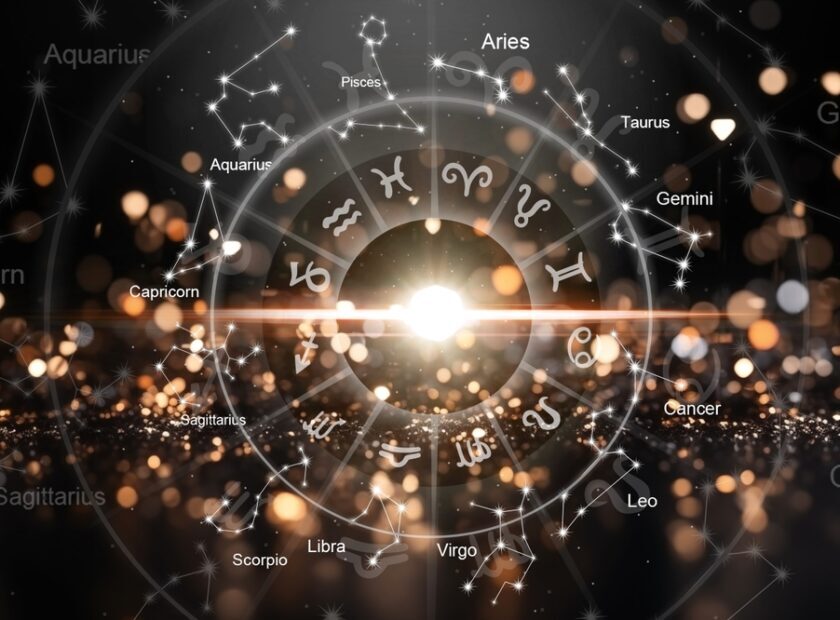
Beyond the rituals, many people turn to Vedic astrology every year to understand how this sacred month influences their zodiac sign specifically. This period is considered ideal for burning away accumulated karma and reducing obstacles — but each rashi tends to respond to Shiva’s energy a little differently.
| Zodiac | Recommended Mantra | Benefit |
|---|---|---|
| Aries (Mesh) | Maha Mrityunjaya Mantra | Channels fiery, impulsive energy into calm, focused action |
| Taurus (Vrishabh) | Om Namah Shivaya | Eases stubbornness and restores emotional balance |
| Gemini (Mithun) | Om Namah Shivaya | Brings focus and clarity to a naturally restless mind |
| Cancer (Kark) | Om Namah Shivaya (with Rudrabhishek) | Brings emotional stability and relief from long-pending stress |
| Leo (Simha) | Om Namah Shivaya (simple, quiet worship) | Balances natural ego with genuine humility and devotion |
| Virgo (Kanya) | Om Namah Shivaya | Supports better health and sharper mental clarity |
| Libra (Tula) | Om Namah Shivaya (evening chanting) | Restores balance in relationships and decision-making |
| Scorpio (Vrishchik) | Maha Mrityunjaya Mantra (108 times) | Supports deep transformation and release of old patterns |
| Sagittarius (Dhanu) | Om Namah Shivaya | Supports clarity in financial and career matters |
| Capricorn (Makar) | Om Namah Shivaya (with daily Jalabhishek) | Helps manage work pressure and brings steady, long-term results |
| Aquarius (Kumbh) | Om Namah Shivaya (with an hour of silence) | Brings clarity on major life decisions |
| Pisces (Meen) | Om Namah Shivaya (with Somwar fasting) | Enhances intuition and inner peace |
Major festivals during Shravan 2026
Shravan isn’t just about daily rituals; several major festivals fall within this window too.
| Festival | Date | What It Marks |
|---|---|---|
| Hariyali Amavasya | 12th August 2026 | New moon day observed with nature worship and offerings to ancestors |
| Hariyali Teej | 15th August 2026 | Celebrates the divine union of Shiva and Parvati, observed by women through fasting and prayer |
| Nag Panchami | 17th August 2026 | Worship of the Naga serpents, closely tied to Shiva’s identity as Nagabhushana |
| Shravani Purnima / Raksha Bandhan | 28th August 2026 | Full moon of Shravan, marks Raksha Bandhan and Solah Somvar Vrat completion for many devotees |
| Krishna Janmashtami | 4th September 2026 | Celebrates the birth of Lord Krishna |
Shravan in Nagpur: Where to Go This Month
If you’re observing Shravan in Nagpur, the city’s older Shiva temples see a noticeable rise in footfall through the month, especially on Somwars.
Telankhedi (Kalyaneshwar) Shiv Mandir, on the banks of Telangkhedi Lake, is one of Nagpur’s oldest Shiva temples believed to be roughly 400 years old, built in the Hemadpanthi style using basalt stone. It’s a quieter alternative to the city’s larger temples and holds regular Shravan Somwar observances, including doodhabhishek (milk abhishek).
Ambhora, on the banks of the Kanhan river near Nagpur, is home to another well-known Shiva shrine that draws pilgrims from across the district through the monsoon months.
If you’re planning temple visits on a Shravan Somwar, go early morning or during Pradosh Kaal (around sunset) to avoid the heaviest crowds.
Get Personalised Shravan Guidance in Nagpur with Reeth U Sarvvah
The rituals and rashi guidance above offer a solid starting point, but every kundali is different, and general moon-sign predictions can only go so far. For those in Nagpur wanting guidance tailored to their exact birth chart on marriage, career, health, or timing a decision around this Shravan, Reeth U Sarvvah a Vedic astrologer and numerologist based in Nagpur — offers one-on-one consultations. This guidance also extends to rashi-specific gemstone and bracelet recommendations matched to your individual birth chart, so the remedies you carry through the month are personal rather than generic. Book a consultation to get guidance specific to your chart rather than your sun sign alone.
FAQ:
Q1: When does Shravan Month 2026 start and end?
In North India, Shravan Month 2026 begins on 30th July and ends on 28th August. In Maharashtra, Gujarat, and South India, it begins on 13th August and ends on 11th September 2026.
Q2: Why is Shravan celebrated in July–August every year?
Hindu months follow the lunar calendar, which doesn’t line up exactly with the solar calendar. The month takes its name from the Shravana Nakshatra that appears near the full moon during this period, and it typically lands in the monsoon months of July and August as a result.
Q3: What is the connection between Shravan and Chaturmas
Shravan falls within Chaturmas, the four-month stretch when Lord Vishnu is believed to enter cosmic rest. During this period, Lord Shiva is believed to take on responsibility for overseeing the universe, one of the key reasons devotion turns so strongly toward him through Shravan
Q4: How many Shravan Somwar are there in 2026?
There are four Shravan Somwar dates in both calendars: 3rd, 10th, 17th, and 24th August in North India, and 17th, 24th, 31st August, and 7th September in South and West India.
Q5: Why do devotees avoid cutting hair and nails during Shravan?
Many devotees treat Shravan as a month of restraint and purity, similar to any vrat period. Avoiding hair and nail cutting is part of that broader discipline, the same instinct behind skipping non-vegetarian food or alcohol during the month rather than a rule tied to any single ritual.
Q6: Which zodiac signs are most favoured during Shravan 2026?
Based on general Vedic astrology principles, Cancer, Scorpio, Virgo, and Pisces are considered to receive comparatively stronger favourable support for this Shravan, though actual results depend on each individual’s birth chart.
Q7: What should I do if I accidentally break my Shravan fast?
If your Shravan fast is broken accidentally, don’t worry. Offer a sincere prayer to Lord Shiva, ask for forgiveness, and continue your worship with devotion. If possible, observe the remaining part of the fast or keep the next Shravan Somwar vrat with renewed dedication. In Hindu tradition, genuine faith and devotion are considered more important than strict perfection in following rituals.
Q8: Is it necessary to fast every Monday during Shravan?
No while fasting on all four Somwars is considered ideal, even partial observance, or fasting on just one or two Mondays with sincere devotion, is regarded as meaningful.
Conclusion
Shravan Month 2026 offers something most months don’t: an entire stretch of time set aside purely for devotion, reflection, and connecting with Lord Shiva’s energy. Whether you follow every ritual to the letter or simply chant Om Namah Shivaya with sincerity each day, what matters most through this month is the intention behind it.
📍 1st floor, Honey Indra Tower, Inox Rd, beside Mahindra Unnati Motors, near Garoba Maidan, Phase 2, Shastri Nagar, Nagpur, Maharashtra 440008
📞 +91 8087669357
📧 reetrupani1@gmail.com
🌐 reethusarvvah.in