




Best Astrologer and Numerologist in Nagpur

Our Gallery

Our Contacts

1 Floor, Honey Indra Tower, Shastri Nagar, Nagpur, Maharashtra 440008.

Category: Astro-Numerology

Read More

Navratri Colors 2026: 9 Days, Traditional Meanings & What Numerology Says About Your Birth Number
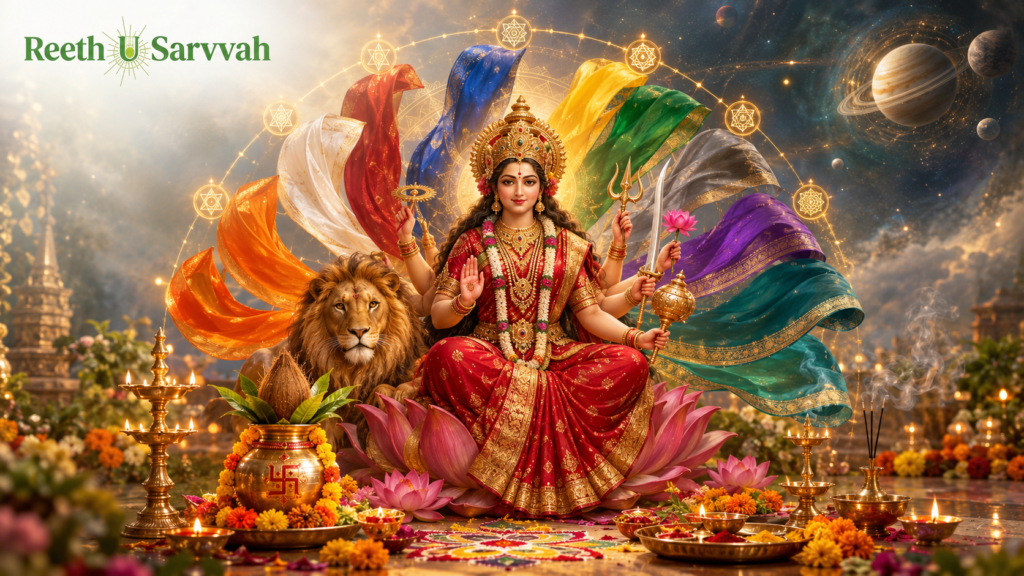
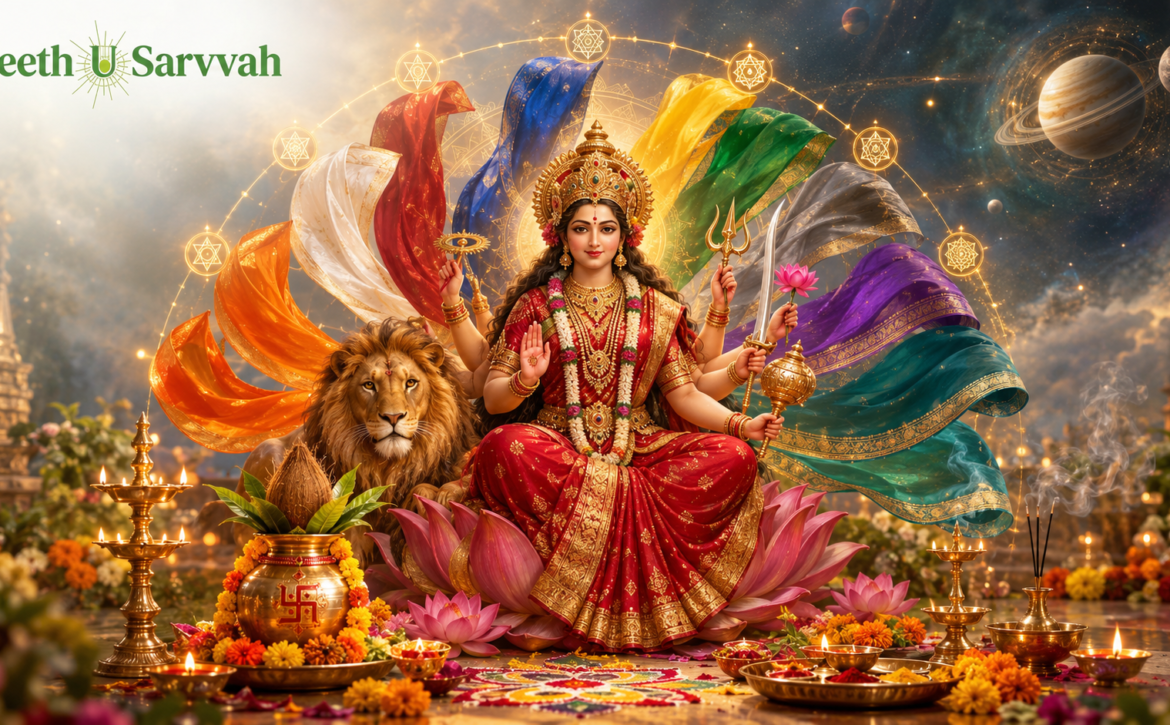
Nine traditional Navratri colours—orange, white, red, royal blue, yellow, green, grey, purple and peacock green—represented through decorative silk ribbons and festive puja elements.

Navratri Colors 2026: 9 Days, Traditional Meanings & What Numerology Says About Your Birth Number

  • Which colour should I wear on Navratri Day 1?
  • What are the nine Navratri colours in 2026?
  • Does my birth date have a connection with my Navratri colour?
  • Can numerology tell me which colour suits me?
  • Should I follow the daily Navratri colour or my personal lucky colour?

These are popular questions every year as Navratri approaches.

Sharad Navratri 2026 begins on Sunday, 11 October, and the nine-day celebration continues through 19 October, followed by Vijayadashami on 20 October. In the traditional 2026 colour sequence, Day 1 begins with orange and the colours change each day according to the weekday-based sequence.

For devotees in Maharashtra, including Nagpur, these colours are especially visible during festive gatherings, traditional dressing, Garba and Dandiya celebrations.

But there is another interesting question:

Can your own birth number add a more personalised numerology perspective to Navratri?

That is where traditional festival customs and numerology can be explored together.


What Are the Navratri Colors for 2026?

For Sharad Navratri 2026, the traditional nine-colour sequence is:

DateNavratri DayColour
October 11Day 1Orange
October 12Day 2White
October 13Day 3Red
October 14Day 4Royal Blue
October 15Day 5Yellow
October 16Day 6Green
October 17Day 7Grey
October 18Day 8Purple
October 19Day 9Peacock Green

The 2026 calendar published by Drik Panchang follows this weekday-based colour sequence.

Why Do Navratri Colors Change Every Day?

The daily colour tradition is commonly linked to the weekday on which Navratri begins, after which the sequence follows the established cycle.

This means the colours can change from year to year because Navratri begins on a different weekday.

Therefore, the Navratri colours for 2026 should not simply be copied from a 2025 or 2024 list.


What Is the Meaning of the Navratri Colors?

The colours are traditionally associated with different qualities and symbolism.

Day 1 — Orange

October 11, 2026

Orange is traditionally associated with warmth, energy and enthusiasm.

It is also the first Navratri colour for 2026 because the festival begins on Sunday.

Day 2 — White

October 12, 2026

White is traditionally associated with purity, peace and clarity.

Day 3 — Red

October 13, 2026

Red is traditionally connected with energy, passion and strength and is widely seen during Navratri celebrations.

Day 4 — Royal Blue

October 14, 2026

Royal blue is traditionally associated with richness and tranquillity.

Day 5 — Yellow

October 15, 2026

Yellow is traditionally associated with optimism, warmth and joy.

Day 6 — Green

October 16, 2026

Green is traditionally associated with nature, growth, freshness and new beginnings.

Day 7 — Grey

October 17, 2026

Grey is traditionally associated with balance and a grounded approach.

Day 8 — Purple

October 18, 2026

Purple is traditionally associated with grandeur, richness and nobility.

Day 9 — Peacock Green

October 19, 2026

Peacock green represents a distinctive combination of blue and green and is traditionally associated with freshness, individuality and compassion.


Are Navratri Colors Based on Astrology?

The traditional daily Navratri colour sequence is not the same thing as a personal astrology colour recommendation.

The daily festival colours are generally assigned according to the weekday sequence.

Astrology may be used in a different way—to interpret colours in relation to planets, a person’s birth chart or traditional remedies.

This distinction is important because you may find different websites giving different answers to:

“Which colour is lucky for me during Navratri?”

One answer may be based on the festival calendar.

Another may be based on your birth chart.

Another may be based on numerology.

They are not necessarily answering the same question.


Can Numerology Tell You Your Personal Navratri Color?

This is a popular modern numerology question.

In traditional numerology, a person’s birth number or Mulank is calculated from the day of birth and is interpreted alongside other numbers.

Reeth U Sarvvah’s Mulank guide provides a calculator and profiles for the nine root numbers, including their traditional planetary associations and characteristics.

Some numerology practitioners may use a person’s birth number to suggest personally meaningful colours.

However, this is different from the official/traditional daily Navratri colour of the day.

Daily Festival Color vs Personal Color

  • Festival Colour

The same colour applies to everyone following that year’s Navratri colour calendar.

  • Personal Numerology Colour

A numerology-based colour recommendation may be personalised according to your birth date and broader number profile.

There is no requirement that one must replace the other.

A person may happily follow the day’s traditional Navratri colour while also exploring their personal numerology profile.


What Is Mulank and How Is It Calculated?

Mulank is also called the birth number or root number in the numerology system used on Reeth U Sarvvah’s website.

It is calculated from the day of birth.

For example:

Born on the 5th

Mulank = 5

Born on the 14th

1 + 4 = 5

Born on the 23rd

2 + 3 = 5

Therefore, people born on the 5th, 14th or 23rd have Mulank 5 according to this calculation. The Reeth U Sarvvah Mulank page lists the dates associated with each of the nine root numbers.


What Can Your Mulank Add to Your Navratri Reflection?

The value of a numerology reading does not have to be reduced to:

“This colour will make me lucky.”

A more useful traditional approach is to use the number as a framework for self-reflection.

For example, the Reeth U Sarvvah Mulank profiles describe:

Mulank 1

Traditionally associated with leadership, independence and ambition.

Mulank 2

Associated with intuition, sensitivity and relationships.

Mulank 3

Associated with communication, creativity and enthusiasm.

Mulank 4

Associated with discipline, practicality and building foundations.

Mulank 5

Associated with adaptability, curiosity and variety.

Mulank 6

Associated with relationships, responsibility and aesthetics.

Mulank 7

Associated with introspection, analysis and spirituality.

Mulank 8

Associated with discipline, authority and achievement.

Mulank 9

Associated with compassion, courage and action.

These are traditional numerological interpretations, not scientific personality tests.


Should I Follow the Daily Navratri Colour or My Lucky Colour?

You do not necessarily need to choose between them.

If you enjoy following the traditional festival custom, wear the Navratri colour of the day.

If you are interested in numerology, you can separately explore your personal numbers and the colours traditionally associated with them.

A Simple Example

Suppose your Mulank is 5.

You can still wear the prescribed Navratri colour for that day.

Your Mulank-based analysis can be treated as a separate personal layer rather than replacing the festival tradition.

This distinction can make Navratri colour planning much less confusing.


Can Astrology and Numerology Be Combined During Navratri?

Yes, and this is an area where a personalised consultation can go deeper than a generic festival article.

Astrology traditionally looks at:

  • Birth chart
  • Planets
  • Houses
  • Dashas
  • Transits
  • Timing

Numerology traditionally looks at:

  • Mulank
  • Bhagyank
  • Name numbers
  • Personal cycles

Reeth U Sarvvah’s current consultation offering combines astrology and numerology for questions around relationships, career, personal growth and decision-making.


What Can You Ask an Astrologer or Numerologist During Navratri?

Instead of asking only:

“Which colour is lucky for me?”

you can make the consultation more specific.

1. Career

“Is this a good period to focus on a career change?”

2. Business

“Should I begin a new business initiative now or spend more time planning?”

3. Relationships

“What does my current period indicate about relationship decisions?”

4. Personal Growth

“What patterns should I become more aware of this Navratri?”

5. Numerology

“What do my Mulank and other personal numbers traditionally indicate?”

The more specific the question, the more focused the consultation can be.


Does Wearing a Navratri Color Guarantee Good Luck?

No. This is an important distinction.

Wearing a traditional colour can be a meaningful part of cultural and religious celebration, but it should not be presented as a guaranteed way to attract wealth, marriage, promotion or other outcomes.

Similarly, numerology-based colour recommendations are traditional interpretations rather than scientifically proven guarantees.

You can enjoy the symbolism without turning it into a promise.


How Can Reeth U Sarvvah Help With Personalised Navratri Guidance?

Reeth U Sarvvah provides astrology and numerology consultations in Nagpur and online.

Her consultation offering covers areas including:

1. Personalised Astrology

Birth-chart-based guidance and interpretation.

2. Numerology

Personal numbers and numerological analysis.

3. Career Guidance

Traditional astrology and numerology perspectives on professional decisions.

4. Marriage and Relationships

Compatibility and relationship-related guidance.

5. Business Numerology

Business-name and growth-related numerology.

6. Personalised Guidance

A consultation can focus on the particular question you are facing rather than relying solely on a generic festival horoscope.

You can also explore the existing Mulank Numerology Guide before booking a personal reading.


Navratri 2026 in Nagpur: What Should You Remember?

For families celebrating Navratri in Nagpur and across Maharashtra, the traditional nine-colour sequence can be used for daily festive dressing.

The 2026 dates are:

  • October 11 — Orange
  • October 12 — White
  • October 13 — Red
  • October 14 — Royal Blue
  • October 15 — Yellow
  • October 16 — Green
  • October 17 — Grey
  • October 18 — Purple
  • October 19 — Peacock Green
  • October 20 — Vijayadashami

The 2026 sequence is confirmed by current festival calendars.


How to Make Your Navratri Astrology Reading More Useful

If you decide to have a consultation during Navratri, prepare your question in advance.

1. Bring Accurate Birth Details

For astrology, date, time and place of birth are important inputs.

2. Know Your Main Question

Career, marriage, business, personal growth or another concern.

3. Avoid Asking Only for a “Lucky Date”

Ask what the timing means in context.

4. Treat Guidance as One Input

Important decisions should also consider practical, financial, professional and personal factors.

This approach can make an astrology or numerology consultation more thoughtful and useful.


FAQ:

Q1:  What are the Navratri colors for 2026?

For Sharad Navratri 2026, the colours are Orange, White, Red, Royal Blue, Yellow, Green, Grey, Purple and Peacock Green from October 11 to October 19 respectively.

Q2: When does Navratri 2026 start?

Sharad Navratri 2026 begins on October 11, 2026.

Q3:When does Navratri 2026 end?

The nine-day Navratri celebration ends on October 19, 2026, followed by Vijayadashami on October 20.

Q4: What is the first Navratri colour in 2026?

The first colour is orange on October 11, 2026.

Q5: Why do Navratri colors change every year?

The traditional first colour is linked to the weekday on which Navratri begins, followed by the established sequence. Since the starting weekday changes, the colour schedule can change from year to year.

Q6: Can I choose my Navratri colour according to my birth date?

You can follow the traditional daily Navratri colour calendar, while numerology may separately be used to explore personal colours based on your birth number. These are two different approaches.

Q7: What is Mulank in numerology?

Mulank is the birth or root number calculated from the day of birth. For example, someone born on the 23rd has Mulank 5 because 2 + 3 = 5.

Q8: Can numerology tell me which colour is lucky for me?

Traditional numerology practitioners may use a person’s birth number and other numerological factors to suggest colours, but such recommendations should be understood as traditional interpretations rather than scientifically proven guarantees.

Q9: Is Navratri color the same as personal lucky color?

Not necessarily. The Navratri colour is part of the festival’s traditional daily colour schedule, while a personal lucky colour may be recommended through numerology or astrology.

Q10: Can astrology and numerology be used together during Navratri?

Yes. Reeth U Sarvvah offers personalised astrology and numerology consultations that can combine both approaches according to the individual’s question and profile.

Q11: Can Navratri be a good time for a personal astrology consultation?

Many people use festival periods for reflection and spiritual practices. A consultation can help you explore personal questions, but astrology should not be treated as a guarantee that an event will happen.

Q12: Can Reeth U Sarvvah provide Navratri astrology guidance in Nagpur?

Yes. Reeth U Sarvvah provides personalised astrology and numerology consultations from Nagpur as well as online consultation options.

Q13: Can I get an online numerology consultation from Reeth U Sarvvah?

Yes. Her appointment page currently offers personalised online astrology and numerology consultations.


Final Thoughts

Navratri colours are more than a festive fashion trend for many families. They are part of a cultural and devotional tradition that makes each day of the festival feel different.

For 2026, the traditional colour journey begins with orange on October 11 and ends with peacock green on October 19, followed by Vijayadashami on October 20.

Numerology adds another possible layer of personal reflection through your Mulank and other numbers.

The important distinction is simple:

Follow the traditional Navratri colour for the festival.

Use astrology or numerology separately when you want personalised guidance.

That allows you to enjoy the cultural tradition while keeping personal astrology and numerology consultation focused on your individual questions rather than generic “lucky colour” promises.

For personalised Navratri astrology and numerology guidance in Nagpur or online across India, you can book a consultation with Reeth U Sarvvah.


📍 1st floor, Honey Indra Tower, Inox Rd, beside Mahindra Unnati Motors, near Garoba Maidan, Phase 2, Shastri Nagar, Nagpur, Maharashtra 440008
📞 +91 8087669357
📧 reetrupani1@gmail.com
🌐 reethusarvvah.in
Read More

What Is Mahadasha and Antardasha in Vedic Astrology? A Simple Guide to Planetary Periods

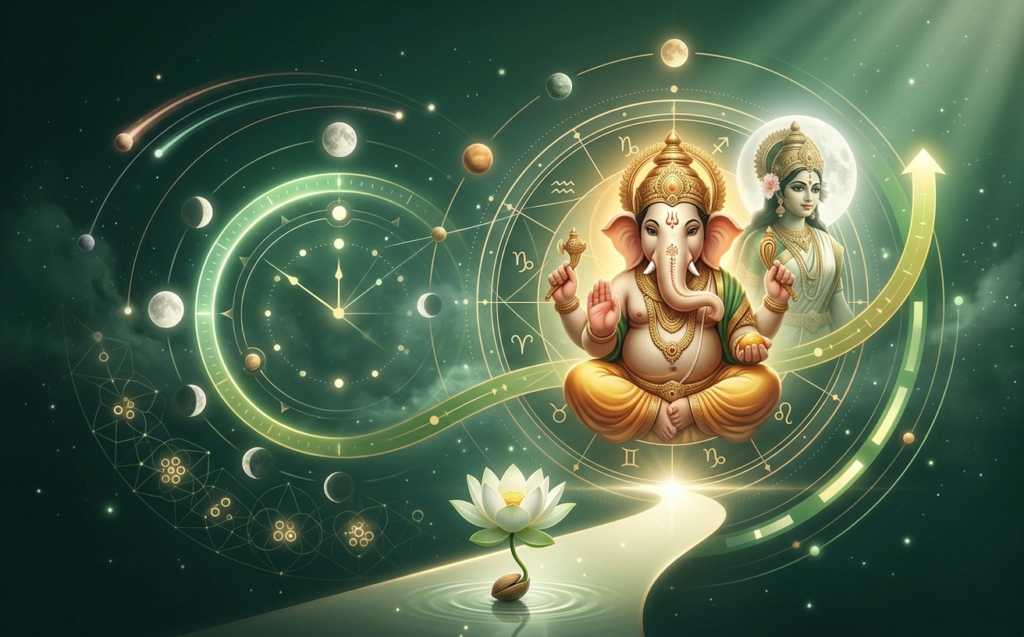
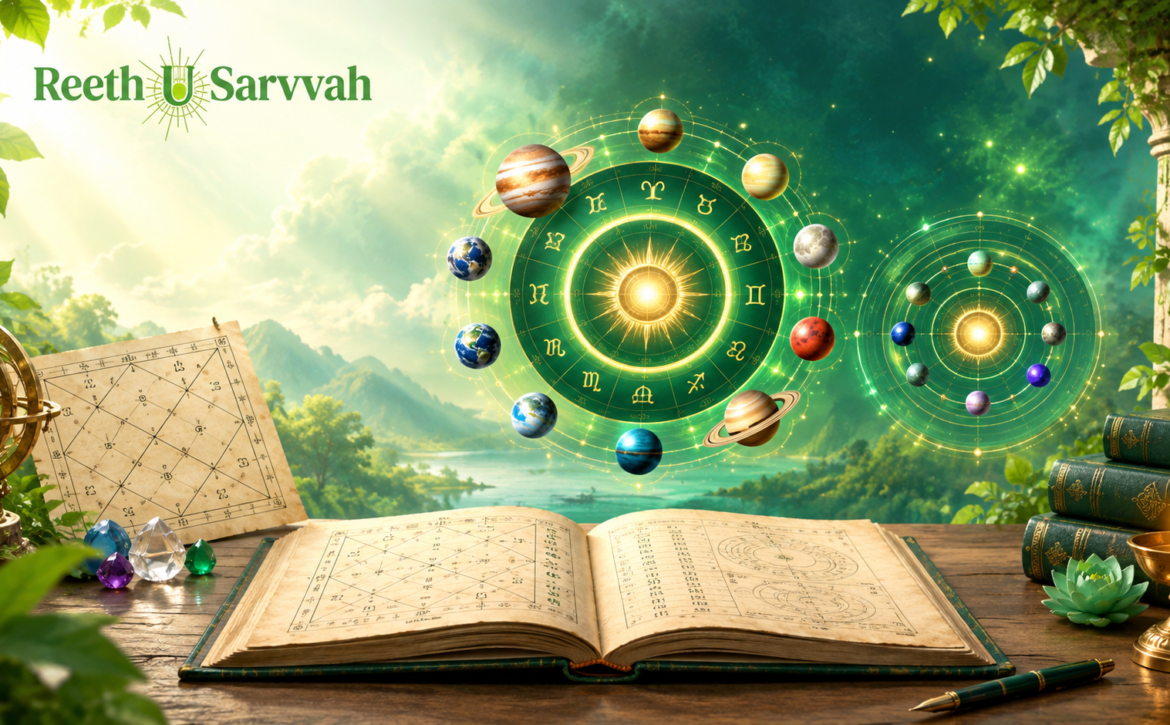
Vedic astrology chart with planetary periods, zodiac wheel, Kundali chart, and planetary orbits in a green setting.

What Is Mahadasha and Antardasha in Vedic Astrology? A Simple Guide to Planetary Periods

Have you ever looked at your Kundali and seen terms such as Mahadasha, Antardasha, Dasha or planetary period but had no idea what they actually mean?

Perhaps you have also heard someone say:

“I am going through Shani Mahadasha.”

Or:

“My Antardasha has changed, and everything feels different.”

But what does that actually mean in Vedic astrology?

Mahadasha and Antardasha are concepts used in traditional Vedic astrology to divide a person’s life into planetary periods. Rather than looking only at a zodiac sign or a single planetary transit, astrologers use these periods to interpret the timing of different phases of life.

For someone beginning to explore Kundali reading in Nagpur, understanding Dasha can make an astrology consultation much easier to follow.

It is also important to remember that these are traditional astrological interpretations. They should not be treated as scientifically proven predictions or as guarantees of future events.


What Is Mahadasha in Vedic Astrology?

The word Mahadasha is generally translated as a major planetary period.

In the traditional Dasha system, different planets are associated with different periods of time. An astrologer interprets the planet governing the current Mahadasha together with its position and condition in the individual’s birth chart.

The idea is that the same planetary influence may be interpreted differently for two people because their birth charts are different.

That is why a generic statement such as:

“Saturn Mahadasha is bad for everyone”

is too simplistic.

The interpretation depends on the individual Kundali.


What Is Antardasha?

If Mahadasha represents a larger planetary period, Antardasha refers to a sub-period within it.

For example, a person may be going through one planet’s Mahadasha while experiencing another planet’s Antardasha.

This creates a more detailed timing framework.

  • Mahadasha

A broader major planetary period.

  • Antardasha

A sub-period operating within the Mahadasha.

Why Does This Distinction Matter?

Two people can have similar broad planetary periods but experience very different circumstances because their complete birth charts, Dashas and planetary placements are different.

This is one reason personalised Kundali analysis is different from reading a generic horoscope.


What Is Vimshottari Dasha?

One of the best-known Dasha systems used in Vedic astrology is the Vimshottari Dasha system.

It assigns planetary periods across a total cycle of 120 years.

The traditional sequence includes:

  • Ketu
  • Venus
  • Sun
  • Moon
  • Mars
  • Rahu
  • Jupiter
  • Saturn
  • Mercury

Each planet is assigned a traditional period length.

The actual Dasha sequence for an individual is determined using their birth information and, in traditional Jyotish practice, the Moon’s nakshatra at birth.

Why Does the Birth Time Matter?

An accurate birth time can be important because the birth chart and related calculations depend on the time and place of birth.

This is why a personalised astrology consultation generally asks for:

  • Date of Birth

The calendar date on which you were born.

  • Time of Birth

As accurately as possible.

  • Place of Birth

The city or location of birth.

The more reliable the underlying birth information, the more confidently an astrologer can calculate and interpret the chart.


Does Mahadasha Tell You Exactly What Will Happen?

No. This is one of the most important misconceptions to avoid.

A Mahadasha should not be interpreted as a guaranteed script for your life.

Instead, within traditional Vedic astrology, planetary periods are used to discuss themes, tendencies and timing.

For example, an astrologer may examine whether a particular period traditionally corresponds with questions around:

  • Career
  • Relationships
  • Education
  • Finances
  • Family
  • Personal development
  • Major life transitions

The actual interpretation depends on the person’s complete chart.


Why Can the Same Mahadasha Affect Two People Differently?

This question is central to understanding personalised astrology.

Imagine two people who are both traditionally considered to be experiencing a Saturn-related period.

Their charts may still differ in:

1. House Placement

Saturn may occupy different houses in their birth charts.

2. Sign Placement

The planetary sign placement may differ.

3. Aspects

Other planets may influence Saturn differently.

4. Strength and Condition

The astrologer may assess the planet’s overall condition within the chart.

5. Antardasha

The sub-period may involve a different planet.

6. Other Transits

Current planetary movements may also be considered alongside the Dasha.

This is why simply searching:

“Is Saturn Mahadasha good or bad?”

does not produce a personalised answer.


What Is the Difference Between Mahadasha and Antardasha?

A simple way to understand the difference is:

Mahadasha = major period

Antardasha = sub-period within the major period

Think of Mahadasha as a large chapter and Antardasha as a section within that chapter.

The combination is traditionally used to create a more detailed timeline for chart interpretation.

Can There Be More Than One Sub-Period?

Yes. Traditional Dasha systems can be broken into progressively smaller periods.

Depending on the method being used, astrologers may examine Pratyantardasha and other subdivisions when a more specific timing analysis is required.

The level of detail depends on the question being asked.


How Are Planetary Periods Used for Career Questions?

Career is one of the most common reasons people seek an astrology consultation.

Someone may ask:

  • “Should I change my job?”
  • “Should I start a business?”
  • “Why does my career feel stuck?”
  • “Is this a suitable period for professional growth?”

In traditional Vedic astrology, a career-focused reading may consider the relevant houses, planets, Dasha periods and current transits.

The objective should not be to tell someone:

“You definitely will get a promotion on this exact date.”

A more responsible approach is to interpret the period traditionally and then combine that with the person’s real-world circumstances.

Reeth U Sarvvah’s current online consultation offering covers career, personal growth, relationships and decision-making through astrology and numerology.


Can Mahadasha Be Used for Marriage Questions?

Marriage and relationship questions are another common area of astrology consultation.

People may ask:

1. When Is Marriage Likely?

Traditional astrology may examine relevant houses, planets and Dasha periods.

2. Why Is Marriage Delayed?

An astrologer may study the individual’s chart rather than assuming that one particular planet is responsible.

3. Are Two People Compatible?

This requires looking at the charts of both people rather than analysing one person’s Dasha alone.

Reeth U Sarvvah currently offers Kundali matching, marriage prediction and compatibility-related guidance as part of her astrology and numerology services.


Can Mahadasha Explain Financial Problems?

Astrology is sometimes consulted for financial questions such as:

  • “Why is my income unstable?”
  • “Is this a good period for business?”
  • “Should I make a major career change?”

In a traditional reading, planetary periods may be interpreted together with relevant houses and planetary placements.

However, financial decisions should also consider practical factors such as income, expenses, debt, risk and professional advice.

Astrology can be approached as a reflective framework, not a substitute for financial planning.


What If a Mahadasha Is Traditionally Considered Challenging?

This is where many people become unnecessarily frightened.

A difficult planetary period is not necessarily interpreted as:

“Everything will go wrong.”

Traditional astrology generally looks at the specific chart.

A challenging period may instead be discussed in terms of:

  • Areas requiring patience
  • Personal responsibility
  • Delays
  • Changes
  • Learning experiences
  • Need for planning
  • Areas where greater awareness may help

The same period may be experienced differently by different people.

Should You Be Afraid of Shani Mahadasha?

Not simply because you hear the word “Shani.”

Saturn is traditionally associated with themes such as discipline, responsibility, patience and structure.

Whether a Saturn period is considered favourable or challenging depends on the full birth chart and the Dasha being analysed.

The important point is:

Never make a major life decision simply because someone tells you a planetary period is “bad.”


How Is a Personal Mahadasha Analysis Done?

A personalised consultation generally begins with the birth details.

Step 1: Prepare the Birth Chart

The astrologer calculates the chart from the available birth information.

Step 2: Identify the Dasha Sequence

The appropriate Dasha system is calculated.

Step 3: Examine the Current Mahadasha

The major planetary period is identified.

Step 4: Examine the Antardasha

The relevant sub-period is considered.

Step 5: Compare With the Birth Chart

The ruling planets are interpreted according to their position in the individual chart.

Step 6: Consider the Question

The analysis can be focused around career, relationships, education, business or another specific life concern.

Step 7: Discuss Timing Carefully

The astrologer explains the traditional interpretation while avoiding the assumption that astrology can guarantee a specific outcome.

Mahadasha vs Transit: What Is the Difference?

These two terms are sometimes confused.

1. Mahadasha

A calculated planetary period associated with an individual’s birth chart.

2. Transit

The current movement of planets through the sky relative to the birth chart.

Traditional Vedic astrology often considers both together.

For example, an astrologer may look at:

Birth Chart + Mahadasha + Antardasha + Current Transit

rather than relying on any one factor alone.

This gives a more complete framework for a personalised reading.


Can Numerology Be Combined With Mahadasha?

Yes, Reeth U Sarvvah’s approach combines astrology and numerology in its broader consultation offering.

Numerology uses information such as date of birth and name to calculate numbers such as Mulank and Bhagyank, while astrology uses the birth chart and planetary placements.

Reeth’s existing Mulank guide explains the nine root numbers and their traditional planetary associations.

The two systems can therefore be used as complementary traditional frameworks during a consultation.


What Questions Should You Ask During a Mahadasha Consultation?

Instead of simply asking:

“Will this Mahadasha be good or bad?”

consider asking:

1. Career

“What should I pay attention to in my current career phase?”

2. Relationships

“What themes should I understand in my current relationship period?”

3. Business

“Does this period traditionally favour planning, expansion or caution?”

4. Personal Growth

“What patterns should I become more aware of?”

5. Timing

“What periods should I discuss further before making a major decision?”

Specific questions generally make a consultation more useful.


Why Personalised Kundali Reading Matters

Generic articles about Mahadasha can explain the concept.

They cannot tell you how a planetary period is traditionally interpreted in your particular birth chart.

A personalised reading considers your individual birth information and the actual structure of your Kundali.

This is consistent with Reeth U Sarvvah’s current positioning around personalised astrology and numerology consultation rather than generic predictions.

You can also read the site’s existing article What Is Vedic Astrology & Why Choose an Indian Vedic Astrologer? for a broader introduction to Vedic astrology.


FAQ:

Q1:  What is Mahadasha in Vedic astrology?

Mahadasha is a major planetary period used in traditional Vedic astrology to interpret different phases of life.

Q2: What is Antardasha?

Antardasha is a sub-period operating within a Mahadasha. It is traditionally used to provide more detailed timing within a larger planetary period.

Q3:What is Vimshottari Dasha?

Vimshottari Dasha is a traditional Vedic astrology Dasha system based on planetary periods across a 120-year cycle.

Q4: How is Mahadasha calculated?

The calculation depends on the Dasha system being used and the person’s birth information. In Vimshottari Dasha, the starting point is traditionally determined from the Moon’s nakshatra at birth.

Q5: Does Mahadasha predict the future?

In traditional astrology, Mahadasha is used to interpret timing and themes. It should not be treated as a scientifically proven method for guaranteeing specific future events.

Q6: Is every Mahadasha good or bad?

No. Traditional interpretation depends on the individual’s complete birth chart, the planet involved, its placement and the associated sub-periods.

Q7: Why does the same Mahadasha affect two people differently?

Because their birth charts, planetary placements, houses, Antardashas and other astrological factors can be different.

Q8: What is the difference between Mahadasha and Antardasha?

Mahadasha is the larger planetary period, while Antardasha is a smaller sub-period within it.

Q9: Can Mahadasha be used for career guidance?

In traditional Vedic astrology, planetary periods may be examined together with relevant career-related chart factors to discuss timing and professional themes.

Q10: Can Mahadasha be used for marriage prediction?

Traditional astrology may use Dasha periods alongside relevant relationship and marriage indicators in the birth chart.


Final Thoughts

Mahadasha and Antardasha can sound complicated when you first encounter them.

But the basic idea is simple:

Mahadasha describes a larger planetary period, while Antardasha provides a more detailed sub-period within it.

Their traditional interpretation becomes meaningful only when considered in relation to the individual’s complete birth chart.

So rather than asking: “Is my Mahadasha lucky or unlucky?”

A better question is: “What does my current planetary period traditionally indicate for the area of life I am concerned about?”

For readers interested in understanding their own Dasha, Kundali and numerology together, a personalised consultation can provide a more individualised interpretation.

Book a Personalised Astrology & Numerology Consultation with Reeth U Sarvvah.


📍 1st floor, Honey Indra Tower, Inox Rd, beside Mahindra Unnati Motors, near Garoba Maidan, Phase 2, Shastri Nagar, Nagpur, Maharashtra 440008
📞 +91 8087669357
📧 reetrupani1@gmail.com
🌐 reethusarvvah.in

Read More

Navratri 2026 Astrology & Numerology: What Your Rashi and Mulank May Reveal About Career, Love & New Beginnings

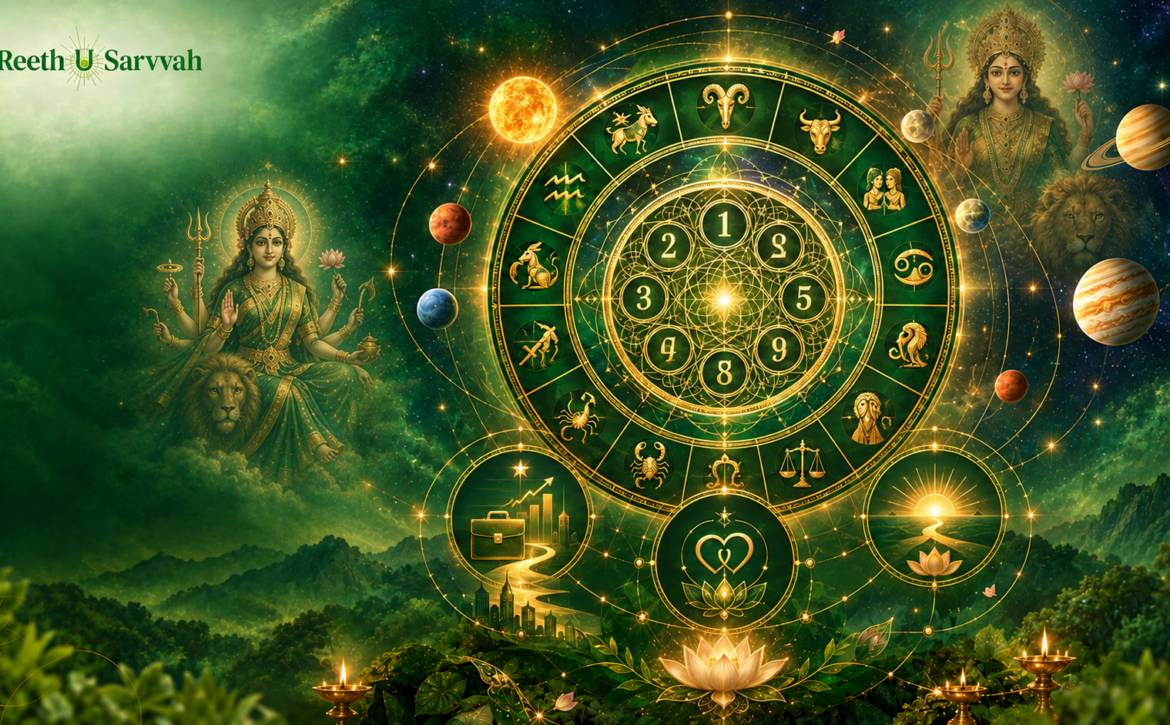
Emerald astrology mandala with Nav Durga, zodiac signs, numerology, planets, and spiritual symbolism.

Navratri 2026 Astrology & Numerology: What Your Rashi and Mulank May Reveal About Career, Love & New Beginnings

Navratri is one of the most spiritually significant festival periods for many Hindu families. Beyond prayers, fasting and celebrations, many people also use this period for reflection, planning and setting new intentions.

In 2026, Sharad Navratri begins on 11 October, followed by Vijayadashami on 20 October.

This makes Navratri a timely period for people who are thinking about a career change, starting a business, discussing marriage, improving relationships or simply seeking greater clarity about their next step.

From a traditional astrology and numerology perspective, however, a general festival prediction is only a starting point. Your birth chart, planetary periods, current transits, Mulank and other personal numbers can provide a more individualised framework for interpretation.

At Reeth U Sarvvah, astrology and numerology consultations are used to explore areas such as career, relationships, marriage, business, personal numerology and timing.


Navratri astrology feature image showing Goddess Durga with a lion, zodiac symbols, planets, and celestial elements in an emerald-green and gold cosmic setting.

What Does Navratri Mean in Astrology?

Navratri is traditionally associated with the worship of the different forms of Goddess Durga and with themes such as strength, discipline, renewal and overcoming obstacles.

In astrology, festival periods are often interpreted alongside factors in an individual’s birth chart rather than treated as identical for everyone.

For example, someone considering a business launch may want to understand whether the period is traditionally supportive for taking action. A person considering marriage may have different questions around compatibility or timing. Someone facing career uncertainty may want guidance on job changes, professional growth or choosing between different directions.

That is why Navratri astrology 2026 should not be reduced to a single prediction for all zodiac signs.

Why Your Birth Chart Matters

A birth chart is created using your birth date, birth time and birth place. In a traditional Vedic astrology consultation, the chart may be examined together with planetary positions, dashas and transits to interpret a particular phase of life.

This personalised approach can be more relevant than simply reading a generic Navratri horoscope online.

For important decisions, a person may therefore ask:

“What does Navratri 2026 mean for me personally?”

rather than only:

“Which zodiac sign is lucky during Navratri?”


What Does Numerology Say About Navratri 2026?

Numerology looks at numbers associated with your birth date, name and other personal details.

One important number is the Mulank, also called the birth or root number. Reeth U Sarvvah’s Mulank guide explains that it is calculated using the day of birth. For example, someone born on the 15th has a Mulank of 6 because 1 + 5 = 6.

You can explore the site’s complete Mulank Numerology Guide before considering your Navratri numerology profile.

Can Your Mulank Help During Navratri?

In traditional numerology, your Mulank is used as one part of a broader interpretation of personality, tendencies and life cycles.

During Navratri, people may use numerology as a reflective tool when thinking about:

  • career and job decisions
  • business opportunities
  • relationships and marriage
  • personal goals
  • important dates
  • name or business-name analysis
  • personal growth

However, a general Mulank reading should not be treated as a guaranteed prediction. A personalised interpretation considers more than one number and may also be combined with astrology.


How Can Navratri Astrology Help With Career Decisions?

Are you considering a job change before the end of the year?

Are you thinking about starting a new career?

Are you waiting for promotion or professional growth?

These are common reasons people seek career astrology and numerology guidance.

Reeth U Sarvvah’s services include Career & Job Success Analysis, which the website describes as guidance based on astrology and numerology for career direction, job opportunities and professional growth.

A Navratri consultation can therefore focus on questions such as:

Should I change my job during or after Navratri?

Rather than relying only on a festival date, a consultation can examine your personal astrological period and numerological profile before discussing timing.

Is Navratri a suitable time to take a new career step?

A general festival period does not automatically make every date suitable for every person. Personal timing is traditionally assessed using individual chart factors.

Can numerology help me understand my career direction?

Numerology may be used as an additional perspective alongside astrology when exploring strengths, preferences, cycles and timing.


What About Business and New Ventures During Navratri?

Navratri is often viewed as a period of renewal and new beginnings, which makes business launches and major professional decisions a popular topic during festival-season astrology searches.

If you are:

  • starting a new business
  • selecting a business name
  • planning a launch
  • entering a partnership
  • expanding an existing venture

then business numerology may be relevant to your consultation.

Reeth U Sarvvah offers Business Name & Growth Numerology, including business-name analysis, possible modifications, launch-date guidance and partnership alignment.

A personalised session can be especially useful when you want to compare a proposed business name with your personal numerological details rather than selecting a name only because it sounds lucky.


Can Navratri Astrology Help With Love and Marriage?

Navratri can also be a time when people reflect on relationships and future commitments.

You may be asking:

  • “Is this the right time to discuss marriage?”
  • “Are we compatible according to astrology and numerology?”
  • “Can astrology help with marriage timing?”

Reeth U Sarvvah’s listed services include Match Making & Marriage Numerology and Love & Relationship Analysis, combining Kundli and compatibility-number approaches as part of the consultation.

For marriage-related questions, the purpose of a personalised reading is not simply to give a generic festival prediction. Birth details of the individuals involved can be examined to discuss compatibility and traditional timing considerations.

For major relationship decisions, astrology and numerology are best treated as traditional guidance rather than a substitute for communication, mutual consent and practical decision-making.


What Can Reeth U Sarvvah Help You Explore During Navratri?

If you are looking for an astrologer in Nagpur or a numerologist in Nagpur during Navratri, a personalised consultation can be structured around the specific question you are facing.

Reeth U Sarvvah’s current services include:

  • Kundli & Astrology Consultation

The service covers personalised Kundli analysis for areas such as career, relationships, health and finance.

  • Marriage & Compatibility Guidance

Kundli matching and numerology can be considered together for relationship and marriage-related questions.

  • Career & Job Success Analysis

Astrology and numerology can be used to discuss career direction, opportunities and professional growth.

  • Business Name & Growth Numerology

Business names, launch timing and partnership-related numerology can be explored as part of a consultation.

  • Mobile & Personal Numerology

The website also lists personal numerology and mobile-number analysis among its services.

  • Gemstone Recommendations

Gemstone recommendations are another service listed by Reeth U Sarvvah, based on the consultation and personal analysis.

For a personalised consultation in Nagpur or online, visit the Book Appointment page.


Should You Follow Generic “Lucky Numbers” During Navratri?

This is one of the most common questions people have after reading festival numerology content online.

A number that is considered favourable in a general article may not necessarily be the most relevant number for your individual profile.

Your Mulank, Bhagyank, name number, personal year and other numerological factors may all be considered in a detailed reading.

Similarly, astrology involves more than simply identifying a zodiac sign.

So instead of asking:

“Which is the luckiest number for Navratri 2026?”

a more useful question may be:

“How does my personal numerology profile interact with the decisions I am considering this Navratri?”


How to Use Navratri 2026 as a Period of Reflection

Whether or not you consult an astrologer, Navratri can be used as an opportunity to pause and think clearly about the next phase of your life.

You can begin with three simple questions:

1. What do I want to change?

Be specific. It could be your career direction, business plans, relationship priorities or personal goals.

2. What decision have I been postponing?

Identifying the decision itself can make a consultation more focused and useful.

3. What information do I need before acting?

This could include a birth-chart analysis, numerology reading, relationship compatibility discussion or business-name consultation.

Astrology and numerology can then be approached as traditional systems for reflection and guidance rather than as guarantees of future outcomes.


Why Choose Personalised Astrology and Numerology Over Generic Festival Predictions?

Online Navratri horoscopes can be interesting, but they are usually broad.

A personalised consultation can consider your individual birth information and the specific area of life you are asking about.

At Reeth U Sarvvah, the service offering combines astrology and numerology across career, relationships, business, personal numerology and other areas of life.

The website also offers online and in-person consultation options in Nagpur, making the service accessible to people who prefer a remote session.


FAQ:

Q1:  Is Navratri a good time for new beginnings according to astrology?

Navratri is traditionally associated with renewal, devotion and overcoming obstacles. From an astrological perspective, whether a particular date is suitable for an individual depends on personal chart factors and the purpose of the activity.

Q2: What is Navratri astrology 2026?

Navratri astrology 2026 refers to astrological interpretations connected with the Navratri period in 2026, including questions around career, marriage, business, relationships and new beginnings.

Q3:Can numerology be used during Navratri?

Yes. In traditional numerology, personal numbers such as Mulank and other calculations may be used to provide an additional perspective on timing and personal cycles.

Q4: How is Mulank calculated?

Mulank is generally calculated from the day of birth. For example, a person born on the 24th has a Mulank of 6 because 2 + 4 = 6. Reeth U Sarvvah’s Mulank guide provides a detailed explanation of the calculation.

Q5: Can Navratri astrology help with career decisions?

A personalised astrology and numerology consultation can be used to discuss career direction, timing, opportunities and professional changes. Reeth U Sarvvah specifically lists Career & Job Success Analysis as a service.

Q6: Can numerology help with business name selection?

Business name numerology is one of Reeth U Sarvvah’s listed services. It can be used to analyse a proposed business name and consider it alongside the owner’s personal numerological details.

Q7: Can astrology help with marriage timing during Navratri?

Marriage timing can be discussed through a personalised astrological consultation. A general Navratri date should not be treated as a universal marriage muhurat because individual birth-chart factors can differ.

Q8: Can Reeth U Sarvvah combine astrology and numerology?

Yes. Her current service offering includes both Kundli & Astrology Consultation and multiple numerology services, including marriage, business and personal numerology.

Q9: Does Reeth U Sarvvah offer online astrology and numerology consultations?

Yes. The official appointment page offers personalised online astrology and numerology consultation, as well as consultation in Nagpur.

Q10: What details are needed for a personalised astrology consultation?

For astrology, people are typically asked for accurate birth details such as date, time and place of birth. For numerology, the relevant birth-date and name information may also be required depending on the consultation.


Final Thoughts

Navratri 2026 can be a meaningful time to pause, reflect and plan your next step.

Whether your focus is career, marriage, business, relationships or personal growth, astrology and numerology can offer a traditional framework for exploring questions about timing, patterns and possibilities.

Instead of relying only on a generic Navratri horoscope or a “lucky number,” a personalised consultation can take your individual details and specific question into account.

For those searching for Navratri astrology in Nagpur, numerology consultation in Nagpur, or personalised guidance for an important decision, Reeth U Sarvvah provides astrology and numerology consultations in Nagpur and online.

Book a Personalised Astrology & Numerology Consultation with Reeth U Sarvvah


📍 1st floor, Honey Indra Tower, Inox Rd, beside Mahindra Unnati Motors, near Garoba Maidan, Phase 2, Shastri Nagar, Nagpur, Maharashtra 440008
📞 +91 8087669357
📧 reetrupani1@gmail.com
🌐 reethusarvvah.in

Read More

What Is Manglik Dosha? Does It Affect Marriage? A Complete Kundali Guide

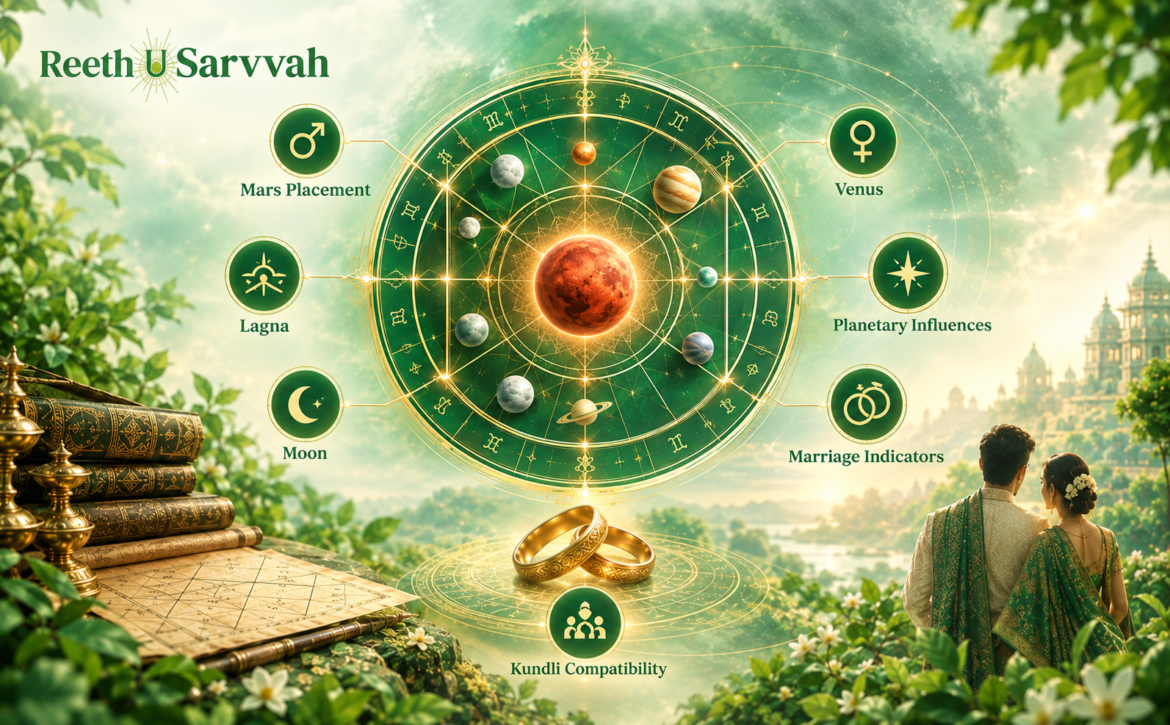
Vedic Kundli analysis showing Mars placement, Lagna, Moon, Venus, planetary influences and marriage compatibility

What Is Manglik Dosha? Does It Affect Marriage? A Complete Kundali Guide

“I have been told that I am Manglik. What does that actually mean?”
“Can a Manglik marry a non-Manglik?”
“Does Mangal Dosha automatically create problems in marriage?”
“How is Manglik Dosha checked in a Kundli?”

These are some of the questions families commonly ask when Kundali matching is being considered for marriage.

The term Manglik Dosha, also called Mangal Dosha or Kuja Dosha, comes from the tradition of Vedic astrology and relates to the position of Mars (Mangal) in a birth chart. Different astrological traditions and practitioners can apply somewhat different rules when assessing it, so a single “Manglik” label should not be treated as the complete analysis of a person’s horoscope.

At Reeth U Sarvvah, marriage guidance combines Kundali analysis and numerology, with the website describing personalised marriage compatibility and marriage-timing consultations. 

Explore Astrology & Numerology Guidance in Nagpur


What Is Manglik Dosha?

In Vedic astrology, Manglik Dosha is traditionally associated with the placement of Mars (Mangal) in certain houses of a birth chart.

These placements are commonly evaluated from the Lagna (Ascendant), and some astrologers also examine the placement from the Moon and Venus depending on the tradition they follow. Because different schools use different rules, the calculation should be understood in the context of the complete Kundli rather than from an isolated online calculator.

Why Is Mars Considered Important?

In Vedic astrology, Mars is traditionally associated with qualities such as:

  • Energy
  • Courage
  • Assertiveness
  • Drive
  • Action
  • Competition

When Mars is placed in certain houses, astrologers traditionally examine whether that placement may influence areas associated with partnership and married life.

This is an astrological interpretation, not a scientifically established cause-and-effect relationship.


How Is Manglik Dosha Checked in a Kundli?

One of the biggest problems with online Manglik calculators is that they can turn a detailed chart into a simple “Manglik / Non-Manglik” result.

A more complete traditional assessment may consider:

  • Mars Placement

The astrologer examines where Mars is positioned in the birth chart and which house it occupies.

  • Lagna

The Ascendant is generally one of the main reference points used in Kundli analysis.

  • Moon

Some Vedic astrology traditions also examine Mars relative to the Moon.

  • Venus

Some practitioners consider Mars relative to Venus when assessing marriage-related matters.

  • Aspects and Planetary Influences

The rest of the chart may also be considered, rather than interpreting Mars in isolation.

  • Overall Marriage Indicators

A broader marriage analysis can include the 7th house, 7th lord, Venus, Jupiter, Navamsa and relevant planetary periods, depending on the astrologer’s methodology.

This is why the question: “Am I Manglik?”

is often less useful than: “What does my complete Kundli indicate about marriage compatibility?”


Which Houses Are Traditionally Associated With Manglik Dosha?

There is variation between astrological traditions regarding exactly which houses are included.

A commonly cited approach examines Mars in the 1st, 4th, 7th, 8th or 12th houses, while some traditions also include the 2nd house.

Because these rules are not applied identically by every school of astrology, it is better to ask an astrologer which calculation method is being used before comparing two Kundlis.

This is important for readers

Two online calculators can sometimes give different Manglik results because they may be using different reference points or rules.

That does not necessarily mean one calculation is automatically correct.

It means the underlying method should be understood.


Does Manglik Dosha Automatically Mean Marriage Problems?

No – not according to the more detailed approach used in traditional Vedic astrology.

A “Manglik” label is not generally treated as a complete marriage analysis.

Astrologers who examine Mangal Dosha traditionally may also look for cancellation or mitigating factors and evaluate the complete chart.

This is why a person should not reject a prospective partner solely because an online tool displays:

“Manglik Dosha Present.”

The complete Kundli needs to be considered.


Can a Manglik Marry a Non-Manglik?

This is one of the most frequently asked questions about Mangal Dosha.

Traditional Vedic astrology does not reduce marriage matching to one single factor.

Depending on the school of astrology being followed, an astrologer may consider:

  • Severity of the Mars placement
  • Cancellation conditions
  • Strength and dignity of Mars
  • Overall condition of the 7th house
  • Venus and Jupiter
  • Navamsa chart
  • Both partners’ birth charts
  • Other compatibility factors
  • Relevant planetary periods

Current astrology literature discussing Manglik Dosha also emphasises that one Manglik / one non-Manglik is not by itself a complete compatibility judgment.

So the better question is not simply:

“Can a Manglik marry a non-Manglik?”

It is:

“What does the complete Kundli matching analysis show for these two individuals?”

Learn More About Kundali Reading in Nagpur


What If Both Partners Are Manglik?

This is another common question.

In some traditional astrological approaches, when both partners have relevant Mars placements, the effect is considered balanced or reduced in the matching process.

However, this should not be presented as an automatic rule for every chart.

The full marriage analysis may still consider:

  • Compatibility
  • 7th house
  • Venus
  • Jupiter
  • Navamsa
  • Planetary periods

and other factors.

Therefore, “both are Manglik” should be treated as one part of the matching discussion, not the entire conclusion.


Can Manglik Dosha Be Cancelled?

Traditional Vedic astrology includes various Dosha Bhanga or cancellation conditions.

These can differ according to the astrological school and methodology.

Factors sometimes examined include:

  • Mars being in certain signs
  • Strength or dignity of Mars
  • Beneficial planetary aspects
  • Other planetary combinations
  • Placement of Mars in the partner’s chart
  • Broader chart combinations

Because cancellation rules are technical and vary by tradition, an online list of “10 guaranteed cancellation rules” should not be treated as a substitute for a complete Kundli analysis.

So, if your report says “Manglik Dosha present”:

Do not stop at the label.

Ask:

  • Which placement created the Dosha?
  • From which reference point was it calculated?
  • Are there cancellation or balancing factors?
  • What does the complete marriage analysis show?

Does Manglik Dosha Affect Love Marriage and Arranged Marriage Differently?

The traditional astrological calculation of Mars placement does not automatically change simply because a marriage is arranged or based on a love relationship.

However, the context of the relationship can be different.

For an arranged marriage, families may focus more heavily on:

  • Kundali matching
  • Compatibility
  • Family expectations
  • Marriage timing
  • Traditional dosha analysis

For a love marriage, couples may be more interested in:

  • Compatibility
  • Communication
  • Emotional understanding
  • Timing
  • Family concerns
  • Whether Manglik Dosha needs consideration

In either situation, a complete birth-chart analysis is more informative within the astrological framework than relying on the word “Manglik” alone.

Is Manglik Dosha the Same as Kundali Matching?

No.

Manglik Dosha is only one aspect that may be considered within a broader marriage-astrology analysis.

Kundali matching can include a wider comparison of two birth charts.

Depending on the tradition, this may involve:

  • Guna Milan

Traditional compatibility calculations may compare different factors between the two charts.

  • Mangal Dosha

Mars-related factors can be separately evaluated.

  • Marriage Houses

The 7th house and its lord may be considered.

  • Venus and Jupiter

These planets are traditionally given importance in marriage-related astrology.

  • Navamsa

The D-9 chart may be examined for additional marriage-related interpretation.

  • Planetary Periods

The timing of important life periods may also be studied.

This is why “36 Guna Milan score” and “Manglik Dosha” are not exactly the same thing. Modern Kundli tools likewise treat Mangal Dosha as a separate check alongside broader compatibility analysis.


Is a High Guna Milan Score Enough for Marriage?

Not necessarily within the traditional astrological framework.

A single numerical score may be useful as an initial reference, but a broader reading can examine other factors that the score does not fully represent.

For example: Guna Milan

may be considered together with:

  • Manglik Dosha
  • 7th house
  • Venus
  • Jupiter
  • Navamsa
  • Dasha

and other chart factors. So couples should not treat one number as the entire story.


What If One Horoscope Says “Manglik” and Another Says “Non-Manglik”?

This is exactly the situation in which a methodology check becomes important.

Ask the astrologer:

  • Which houses are being considered?
  • Was Mars checked from the Ascendant?
  • Was the Moon also considered?
  • Was Venus considered?
  • Were cancellation conditions checked?
  • Was the complete Kundli reviewed?

Different calculation methods can produce different results, so the raw label should be interpreted within the method being used.


Should You Trust an Online Manglik Calculator?

Online calculators can be useful for basic educational information, but they can oversimplify the process.

A calculator may tell you: “Manglik: Yes.”

But it may not explain:

  • Why
  • Which tradition was used
  • Which reference point was used
  • Whether cancellation applies
  • How strong the placement is
  • What the rest of the Kundli shows

For an important marriage decision, families who follow Vedic astrology may prefer a personalised Kundali consultation instead of relying solely on a generic calculator.

Reeth U Sarvvah currently offers personalised Kundali reading, marriage prediction and compatibility guidance through in-person and online consultations. 

Book a Personalised Astrology Consultation


What Birth Details Are Needed for Manglik Analysis?

For a detailed Kundli analysis, astrologers generally require:

  • Date of birth
  • Exact or reasonably accurate birth time
  • Place of birth

These details are used to construct the birth chart.

Reeth U Sarvvah’s current consultation information requests birth details for astrology appointments, while its numerology services may use name and date-of-birth information depending on the consultation. 

Book an Online Astrology & Numerology Consultation


Why Is Accurate Birth Time Important?

Birth time can influence the calculation of the Ascendant and house placements, which can matter in Kundli analysis.

If the recorded birth time is uncertain, an astrologer may need to discuss how that uncertainty affects the reading.

This is particularly relevant when a person is trying to determine whether a planetary placement falls in one house or another.

Reeth U Sarvvah’s current consultation information also asks clients for date, time and place of birth for astrology consultations.


What Questions Should You Ask During a Manglik Dosha Consultation?

Before making an important marriage decision, ask specific questions rather than simply asking: “Am I Manglik?”

A better consultation can include:

  • “Which placement is creating the Mangal Dosha?”
  • “Which calculation method are you using?”
  • “Is the Dosha being checked from Lagna, Moon or another reference point?”
  • “Are there cancellation or balancing factors?”
  • “What does the partner’s Kundli show?”
  • “How does Manglik Dosha fit into the overall compatibility analysis?”
  • “Are there other marriage-related factors that should be considered?”

These questions can help you understand the interpretation instead of focusing only on a yes/no label.


Are Manglik Dosha Remedies Necessary?

Traditional astrology offers different remedies depending on the practitioner and school, including mantras, puja-based practices and other traditional remedies.

However, remedies should be presented as traditional or spiritual practices, not guaranteed ways to change a marriage outcome.

The website’s current philosophy describes personalised remedies and spiritual guidance as part of its services, including mantras, gemstones and other practices.

Explore Astrology & Spiritual Guidance


Should You Reject a Marriage Proposal Because Someone Is Manglik?

A marriage decision is much broader than one astrological label.

For people who choose to include astrology in their decision-making, Manglik Dosha can be considered alongside the complete Kundli, compatibility discussion and the couple’s actual relationship.

Practical factors remain important too, including:

  • Communication
  • Values
  • Financial expectations
  • Family expectations
  • Lifestyle
  • Future goals
  • Mutual respect

Astrology can be one lens within the decision-making process; it should not be treated as a substitute for understanding the person or relationship itself.


How Does Reeth U Sarvvah Approach Marriage Astrology?

Reeth U Sarvvah’s website describes her as a Vedic astrologer and numerologist in Nagpur, with services including Kundali reading, marriage prediction and compatibility guidance. Her published content also describes combining astrology and numerology for relationship-oriented consultations. 

Her consultation process is described as personalised and based on the individual’s birth details rather than only a generic zodiac-sign reading.

Learn More About Reeth U Sarvvah


Can Manglik Dosha Be Understood Without a Full Kundli?

A basic Manglik calculation can identify a Mars placement, but understanding what it means in the context of marriage requires a broader chart interpretation.

This distinction is important.

A person might search: “Am I Manglik by date of birth?”

But the more meaningful question is: “What does my complete birth chart indicate about marriage compatibility?”

That is where a full Kundali reading in Nagpur can provide more context within the Vedic astrology framework.


Manglik Dosha: Quick Guide

QuestionKey point
What is Manglik Dosha?A traditional Vedic astrology concept related to Mars placement in the birth chart.
Is every Manglik chart the same?No. The full chart and calculation method matter.
Can a Manglik marry a non-Manglik?This is assessed through the complete compatibility analysis; the label alone is not the whole evaluation.
Can Manglik Dosha be cancelled?Traditional astrology includes various cancellation/balancing conditions, depending on the method used.
Is Manglik Dosha the same as Kundali matching?No. It is one factor that may be considered alongside broader matching.
Is an online calculator enough?It can provide a basic indication but may not provide a complete chart interpretation.
What information is needed?Date, birth time and place are commonly used for a detailed Kundli.
Should you make a marriage decision only on Manglik status?A broader understanding of the relationship and all relevant factors is important.

FAQ:

Q1:  What is Manglik Dosha in Kundli?

Manglik Dosha, also called Mangal Dosha or Kuja Dosha, is a traditional Vedic astrology concept associated with the placement of Mars in specific houses of a birth chart. Different astrological traditions may use different calculation rules.

Q2: How do I know if I am Manglik?

A Manglik assessment requires your birth chart and the calculation method being used. Date of birth, birth time and place are commonly required for a detailed Kundli analysis.

Q3:Can a Manglik marry a non-Manglik?

In traditional Vedic astrology, the answer is not determined by the Manglik label alone. Astrologers may consider cancellation conditions, both partners’ charts and broader marriage indicators.

Q4: What happens if both partners are Manglik?

Some traditional approaches consider matching two charts with relevant Mars placements as a balancing factor. However, the complete charts and the specific astrological method should still be examined.

Q5: Can Manglik Dosha be cancelled?

Traditional Vedic astrology includes different Dosha Bhanga or cancellation conditions. Their application varies by methodology, so the complete birth chart should be reviewed rather than relying on a single online rule.

Q6: Is Manglik Dosha the same as Kundali matching?

No. Manglik Dosha is one factor that may be examined as part of a broader Kundali matching or marriage-compatibility analysis.

Q7: Does Manglik Dosha guarantee problems in marriage?

No. Within the traditional astrological framework, it is treated as one chart factor rather than a guaranteed prediction of marriage problems. A complete Kundli analysis considers additional planetary and compatibility factors.

Q8: Is Mangal Dosha checked during Kundali matching?

Yes, many traditional matching approaches check Mangal Dosha separately alongside other marriage-compatibility factors.

Q9: Do I need exact birth time for Manglik Dosha?

Accurate birth time can be important because it affects the Ascendant and house placements used in Kundli calculations. Reeth U Sarvvah’s astrology consultation information requests date, time and place of birth. 

Q10: Are Manglik Dosha remedies necessary?

Traditional astrologers may suggest remedies based on their interpretation, such as mantras or rituals. These are spiritual/astrological practices and should not be presented as guaranteed outcomes.

Q11: Should I reject a Manglik marriage proposal?

A marriage decision should not be reduced to one astrological label. Couples and families can consider the complete relationship, practical compatibility and, for those who follow astrology, the broader Kundli analysis.


Conclusion: What Should You Really Look at Beyond “Manglik”?

Being told “you are Manglik” can sound alarming when the term is presented without explanation.

The more useful approach is to understand:

  • What placement is involved?
  • Which calculation method is being used?
  • Are there cancellation or balancing factors?
  • What does the other person’s Kundli show?
  • What does the complete marriage analysis indicate?

For people who choose Vedic astrology as part of their marriage-planning process, a personalised Kundli consultation can provide more context than a simple Manglik yes/no result.

Reeth U Sarvvah provides Kundali reading, marriage compatibility and astrology/numerology consultations in Nagpur and online, according to the current website.

Book a Personalised Kundali & Marriage Consultation


📍 1st floor, Honey Indra Tower, Inox Rd, beside Mahindra Unnati Motors, near Garoba Maidan, Phase 2, Shastri Nagar, Nagpur, Maharashtra 440008
📞 +91 8087669357
📧 reetrupani1@gmail.com
🌐 reethusarvvah.in

Read More

Jyeshtha Gauri 2026: Mahalakshmi Pooja Date, Muhurat, Puja Vidhi, Samagri & Visarjan

Golden idol of Goddess Mahalakshmi dressed in a red silk saree surrounded by oil lamps and marigold flower garlands

Jyeshtha Gauri 2026: Mahalakshmi Pooja Date, Muhurat, Puja Vidhi, Samagri & Visarjan

Jyeshtha Gauri 2026 will be celebrated during the Ganeshotsav period from 17 September to 19 September 2026. The three-day celebration begins with Gauri Avahan on Thursday, 17 September, followed by Jyeshtha Gauri Pujan on Friday, 18 September, and concludes with Gauri Visarjan on Saturday, 19 September 2026

In Maharashtra and particularly in parts of Vidarbha, Jyeshtha Gauri is also popularly associated with Mahalakshmi Pooja or Mahalaxmi Pooja. Families traditionally welcome Gauri into their homes, perform puja, offer naivedya, decorate the Goddess with traditional shringar and seek blessings for prosperity, happiness and family well-being.

If you are searching for Jyeshtha Gauri 2026 date, Mahalakshmi Pooja 2026, Gauri Avahan, Puja Vidhi, Samagri, Muhurat or Gauri Visarjan, this complete guide explains the important dates, traditions and spiritual significance.

Jyeshtha Gauri 2026 Dates

The three important days of Jyeshtha Gauri in 2026 are:

RitualDateDay
Jyeshtha Gauri Avahan17 September 2026Thursday
Jyeshtha Gauri Pujan / Mahalakshmi Pooja18 September 2026Friday
Jyeshtha Gauri Visarjan19 September 2026Saturday

Current Panchang references confirm the three-day sequence of Avahan on September 17, Puja on September 18 and Visarjan on September 19, 2026.

Important Note About Jyeshtha Gauri Muhurat

The exact Jyeshtha Gauri Puja Muhurat is location-dependent. Panchang calculations use the geographical location of the place where the ritual is performed, so timings for Nagpur can differ from timings published for another city.

Therefore, devotees in Nagpur, Amravati, Akola, Wardha, Bhandara, Chandrapur and other parts of Vidarbha should verify the local Panchang before beginning the main ritual.


What Is Jyeshtha Gauri Pooja?

Jyeshtha Gauri Pooja is an important traditional Maharashtrian festival celebrated during the Ganeshotsav period.

Gauri is traditionally welcomed into the home after the arrival of Lord Ganesha. The festival is associated with Goddess Gauri and, depending on regional tradition, may be understood in connection with Goddess Parvati, prosperity, household well-being and Mahalakshmi.

The celebration is deeply connected with family traditions. Homes are decorated, Gauri is welcomed ceremonially, traditional food is prepared and the Goddess is worshipped with flowers, kumkum, haldi, shringar and naivedya.

The exact form of Gauri worship can differ between communities and families, so established family traditions should always be respected.


Why Is Jyeshtha Gauri Also Called Mahalakshmi Pooja?

In parts of Maharashtra and especially Vidarbha, the Jyeshtha Gauri celebration is popularly known as Mahalakshmi Pooja or Mahalaxmi Pooja.

The Goddess is traditionally welcomed and worshipped with prayers for:

  • Prosperity
  • Family happiness
  • Household harmony
  • Abundance
  • Well-being
  • Positive growth
  • Spiritual strength

This regional connection is why people may search for Jyeshtha Gauri 2026, Mahalakshmi Pooja 2026, Mahalaxmi Pooja 2026 and Gauri Pooja 2026 when looking for information about the same festive period.

However, the name and specific rituals can vary according to regional and family traditions.


Jyeshtha Gauri 2026 three-day celebration schedule showing Gauri Avahan, Jyeshtha Gauri Pujan, and Gauri Visarjan dates

Jyeshtha Gauri 2026: Three-Day Celebration

Day 1 – Gauri Avahan

17 September 2026, Thursday

The first day is known as Gauri Avahan, meaning the ceremonial welcoming or invocation of Gauri.

Families traditionally prepare their homes and the puja area before bringing Gauri into the house.

Common preparations include:

  • Cleaning the entrance and puja area
  • Decorating the entrance with rangoli
  • Drawing traditional Gauri footprints
  • Preparing the puja chowki
  • Bringing Gauri into the home
  • Installing the Gauri forms according to family tradition
  • Performing Ganesh and Gauri puja
  • Offering flowers, haldi and kumkum
  • Performing aarti

The traditional method of welcoming Gauri varies from family to family.


Day 2 – Jyeshtha Gauri Pujan / Mahalakshmi Pooja

18 September 2026, Friday

The second day is the main Jyeshtha Gauri Pujan and is popularly associated with Mahalakshmi Pooja in parts of Maharashtra and Vidarbha.

Gauri is traditionally decorated with beautiful shringar and offered a special naivedya.

Common shringar items may include:

  • Saree
  • Jewellery
  • Bangles
  • Necklace
  • Earrings
  • Flowers
  • Kumkum
  • Haldi
  • Traditional ornaments

Families may also prepare an elaborate traditional meal and perform haldi-kumkum according to their customs.

Women may invite relatives, friends and neighbours for haldi-kumkum and exchange traditional items such as kumkum, haldi, fruits or gifts.


Day 3 – Gauri Visarjan

19 September 2026, Saturday

The third day is the traditional farewell of Gauri.

The family performs the final puja and aarti before completing the farewell ritual according to their family tradition.

It is important to remember that the meaning and method of Gauri Visarjan can vary. In households using permanent metal or reusable Gauri masks, the farewell may be symbolic and the Gauri forms may be respectfully stored for the following year.


Jyeshtha Gauri Puja Muhurat 2026

The main Jyeshtha Gauri Pujan is on Friday, 18 September 2026.

However, the exact auspicious timing should be calculated or checked according to the location where the puja will take place.

Panchang timings are location-specific. For example, published Panchang pages for different Indian cities show different local muhurat windows even though the festival date remains the same.

For devotees in Nagpur

If you are performing Jyeshtha Gauri Puja in Nagpur, use a Panchang calculated specifically for Nagpur rather than copying the timing given for Mumbai, Delhi or another city.

This is particularly important when selecting an exact puja muhurat.


Jyeshtha Gauri Puja Samagri List

The exact requirements depend on family tradition, but a general Jyeshtha Gauri Puja Samagri list may include:

Basic Puja Samagri

Haldi, Kumkum, Akshat, Chandan, Flowers, Garland, Durva, Incense sticks, Dhoop, Camphor, Diya, Cotton wicks, Ghee or oil, Panchamrit ingredients, Gangajal, Betel leaves, Supari, Coconut, Fruits, Dry fruits, Kalash, Mango leaves, Rice, Coins, Red cloth

Gauri Shringar Samagri

Depending on family tradition: Saree, Blouse piece, Bangles, Necklace, Earrings, Nose ring, Hair accessories, Kumkum, Haldi, Flowers, Other traditional shringar items

Families should prioritize their traditional puja list over a generic online checklist.


Jyeshtha Gauri Puja Naivedya

Naivedya is an important part of Jyeshtha Gauri and Mahalakshmi Pooja.

Maharashtrian households may prepare a variety of traditional dishes depending on their region and family customs.

A Gauri naivedya may include: Rice, Dal, Seasonal vegetables, Bhakri, Puri, Puran Poli, Kheer, Traditional sweets, Fruits, Other family-specific preparations

There is no single menu followed by every household. The food prepared for Gauri is often connected to family traditions passed from one generation to another.


Jyeshtha Gauri Puja Vidhi at Home

A general outline of the puja can include:

  1. Clean the home and puja area.
  2. Decorate the entrance with rangoli.
  3. Prepare the puja chowki.
  4. Welcome and install Gauri according to family tradition.
  5. Perform Ganesh Puja.
  6. Prepare the kalash if included in your tradition.
  7. Invoke Goddess Gauri.
  8. Offer haldi, kumkum, akshat and flowers.
  9. Offer traditional shringar items.
  10. Offer naivedya and fruits.
  11. Light the diya and incense.
  12. Perform Gauri Aarti.
  13. Offer prayers for family happiness, prosperity and well-being.
  14. On the final day, perform the farewell ritual according to family tradition.

Important

This is a general guide and not a replacement for a family’s established puja paddhati. If your family follows a specific traditional method or your family priest has prescribed a particular procedure, follow that method.


Jyeshtha Gauri Katha

Different communities and regions follow different versions of the Jyeshtha Gauri Katha.

Traditional stories associated with Gauri describe her arrival into devotees’ homes and her blessings for family well-being, prosperity and happiness.

Some traditions narrate the story of a poor Brahmin family and Goddess Gauri appearing in the form of an elderly woman. Other regional traditions connect the festival more directly with Goddess Parvati and the arrival of Gauri during Ganeshotsav.

Because versions of the Katha differ across communities, families should preferably listen to or read the version traditionally followed in their household.


Why Are Two Gauri’s Worshipped?

Many Maharashtrian households worship two Gauri forms during the festival.

They are commonly referred to as:

  • Jyeshtha Gauri – the elder
  • Kanishtha Gauri – the younger

The interpretation of the two forms varies according to regional and family tradition.

In some traditions they are understood as two forms of Gauri, while other communities have different interpretations associated with the Goddess and prosperity.

Therefore, the number and representation of Gauri forms should follow the family’s traditional practice.


Jyeshtha Gauri and Ganesh Chaturthi 2026

Jyeshtha Gauri is celebrated during the wider Ganeshotsav period.

The important 2026 dates are:

  • Ganesh Chaturthi – 14 September 2026
  • Gauri Avahan – 17 September 2026
  • Jyeshtha Gauri Pujan – 18 September 2026
  • Gauri Visarjan – 19 September 2026
  • Anant Chaturdashi – 25 September 2026

Current Panchang listings confirm Jyeshtha Gauri Avahan on September 17, Pujan on September 18 and Visarjana on September 19.


Jyeshtha Gauri 2026 in Nagpur and Vidarbha

For many families in Nagpur and Vidarbha, Jyeshtha Gauri has a special cultural and religious significance.

The celebration is popularly associated with Mahalakshmi Pooja, and homes are traditionally prepared for the arrival of the Goddess.

Families may:

  • Decorate their entrance
  • Create Gauri footprints
  • Prepare traditional naivedya
  • Decorate the Goddess with sarees and jewellery
  • Perform the main puja
  • Organize haldi-kumkum
  • Invite family members and friends
  • Perform aarti
  • Follow their traditional farewell ritual

The festival therefore brings together devotion, family tradition, food, decoration, community participation and spiritual reflection.


The Spiritual Significance of Jyeshtha Gauri

Beyond the rituals, Jyeshtha Gauri can be a meaningful time for reflection.

The festival encourages devotees to express gratitude and reflect on the importance of: Family, Prosperity, Relationships, Responsibility, Generosity, Spirituality, Inner peace, Positive intentions

Mahalakshmi is traditionally associated with prosperity and abundance. For devotees, this can also be an opportunity to think beyond material wealth and consider abundance in terms of health, relationships, knowledge, peace and meaningful living.


Jyeshtha Gauri 2026 and Astrology

Jyeshtha Gauri and Mahalakshmi Pooja are religious and cultural observances. From an astrological perspective, such occasions can also provide an opportunity for personal reflection, prayer and setting positive intentions.

Vedic astrology traditionally works with an individual’s birth date, birth time and place of birth to create a birth chart. A personalized reading is therefore different from a general zodiac prediction.

An astrology consultation may explore traditional perspectives on areas such as:

  • Career and Business

Individuals considering a professional change, business decision or new direction may seek a personalized Kundali reading for an astrological perspective on timing and recurring patterns.

  • Relationships and Marriage

Vedic astrology is traditionally used for relationship analysis, compatibility and marriage matching based on individual birth charts.

  • Financial and Prosperity Goals

Mahalakshmi is traditionally associated with prosperity. Rather than treating a festival as a guarantee of financial success, devotees can use the occasion to reflect on financial goals, discipline, planning and responsible decision-making.

  • Personal Growth

A birth chart can provide a traditional framework for reflecting on personal tendencies, strengths and recurring life themes.

  • Spiritual Development

Some people also seek astrological guidance when exploring spiritual practices, personal discipline and a deeper connection with their beliefs.

Astrology should be approached as a traditional system for guidance and self-reflection rather than a guarantee of specific future outcomes.


How Reeth U Sarvvah Connects Astrology With Spiritual Guidance

Reeth U Sarvvah, based in Nagpur, provides astrology and numerology guidance with an emphasis on personalized understanding rather than generic zodiac predictions.

Her website covers Vedic astrology, numerology and spiritual/lifestyle guidance, including areas such as personal growth, relationships, career and life direction. Her astrology content also includes festival and numerology-based guidance for readers.

For someone observing Jyeshtha Gauri, the festival can therefore become an opportunity not only to participate in traditional rituals but also to reflect on personal goals and spiritual priorities.

A personalized consultation may help you explore:

  • Kundali Reading – Understanding your birth chart and planetary placements.
  • Vedic Astrology – Exploring traditional astrological perspectives on life events and decisions.
  • Numerology – Understanding patterns associated with your name and date of birth.
  • Career Guidance – Reflecting on professional direction and important career decisions.
  • Business Guidance – Exploring traditional astrological perspectives related to business and planning.
  • Marriage & Relationship Guidance – Understanding compatibility and relationship patterns.
  • Life Path Guidance – Reflecting on strengths, challenges and recurring patterns.
  • Spiritual Guidance – Developing a more intentional approach to your spiritual journey.

The purpose is not to replace personal judgment or practical action, but to provide an additional traditional perspective for those who value astrology and numerology.


Can Astrology Tell You What Jyeshtha Gauri Means for You Personally?

A general festival article can explain the date, rituals and cultural significance of Jyeshtha Gauri, but it cannot provide an individualized astrological interpretation.

For personalized astrology, an astrologer would normally require details such as:

  • Date of birth
  • Exact or approximate birth time
  • Place of birth
  • Specific area of concern

These details allow a birth chart to be considered instead of applying the same prediction to everyone.

For people in Nagpur looking for personalized Vedic astrology or numerology guidance, Reeth U Sarvvah offers consultations focused on individual circumstances.


Jyeshtha Gauri: A Time for Devotion, Reflection and Positive Intentions

Whether you celebrate Jyeshtha Gauri as Gauri Pooja, Jyeshtha Gauri Pooja or Mahalakshmi Pooja, the festival remains deeply connected with family traditions and devotion.

For many families, the most important part is not simply performing every ritual perfectly but maintaining the spirit of gratitude, faith, family togetherness and respect for tradition.

Jyeshtha Gauri 2026 provides an opportunity to welcome the Goddess, celebrate family bonds and begin or renew positive intentions.


FAQ:

Q1:  When is Jyeshtha Gauri in 2026?

Jyeshtha Gauri will be observed over three days in 2026: Gauri Avahan on 17 September, Jyeshtha Gauri Pujan on 18 September and Gauri Visarjan on 19 September 2026.

Q2: When is Jyeshtha Gauri Puja in 2026?

The main Jyeshtha Gauri Puja is on Friday, 18 September 2026.

Q3:When is Gauri Avahan in 2026?

Gauri Avahan is on Thursday, 17 September 2026.

Q4: When is Gauri Visarjan in 2026?

Jyeshtha Gauri Visarjan is on Saturday, 19 September 2026.

Q5: When is Mahalakshmi Pooja in 2026?

In the Maharashtra and Vidarbha Gauri tradition, the main Mahalakshmi Pooja is observed on Friday, 18 September 2026, corresponding to the main Jyeshtha Gauri Pujan day.

Q6: Is Jyeshtha Gauri the same as Mahalakshmi?

The identification varies by regional and family tradition. In parts of Maharashtra and particularly Vidarbha, Jyeshtha Gauri is popularly worshipped as or associated with Mahalakshmi.

Q7: Which Nakshatra is associated with Jyeshtha Gauri?

The three-day celebration is traditionally connected with Anuradha during Avahan, Jyeshtha during the main Pujan period and Moola around Visarjan. Exact Nakshatra timings are location-specific. Current Panchang data shows Anuradha on the Avahan date and Jyeshtha on the following day.

Q8: Is Jyeshtha Gauri part of Ganesh Chaturthi?

Yes. Jyeshtha Gauri is traditionally celebrated during the Ganeshotsav period in Maharashtra and nearby regions.

Q9: Should I follow a general zodiac prediction for Jyeshtha Gauri?

A general zodiac prediction can provide broad information, but it cannot account for an individual’s complete birth chart. For personalized guidance, an astrologer can study the individual’s birth details and provide a consultation based on their specific circumstances.


Conclusion

Jyeshtha Gauri 2026 is a beautiful three-day celebration that brings together devotion, family traditions, Maharashtrian culture and spiritual reflection.

The key dates are:

  • 17 September 2026 – Gauri Avahan
  • 18 September 2026 – Jyeshtha Gauri Pujan / Mahalakshmi Pooja
  • 19 September 2026 – Gauri Visarjan

For families in Nagpur and Vidarbha, where the festival is popularly connected with Mahalakshmi Pooja, these days hold a special place in the Ganeshotsav celebrations.

Along with understanding the traditional rituals, the festival can also be a time to reflect on personal goals, relationships, prosperity, spiritual growth and positive intentions.

For those who wish to explore these questions through the traditional systems of Vedic astrology and numerology, personalized guidance from Reeth U Sarvvah, Vedic Astrologer & Numerologist in Nagpur, can provide an individual perspective based on one’s birth details and circumstances.

May Goddess Gauri bless every home with peace, prosperity, happiness, harmony and abundance.

Jai Maa Gauri! 🙏


📍 1st floor, Honey Indra Tower, Inox Rd, beside Mahindra Unnati Motors, near Garoba Maidan, Phase 2, Shastri Nagar, Nagpur, Maharashtra 440008
📞 +91 8087669357
📧 reetrupani1@gmail.com
🌐 reethusarvvah.in
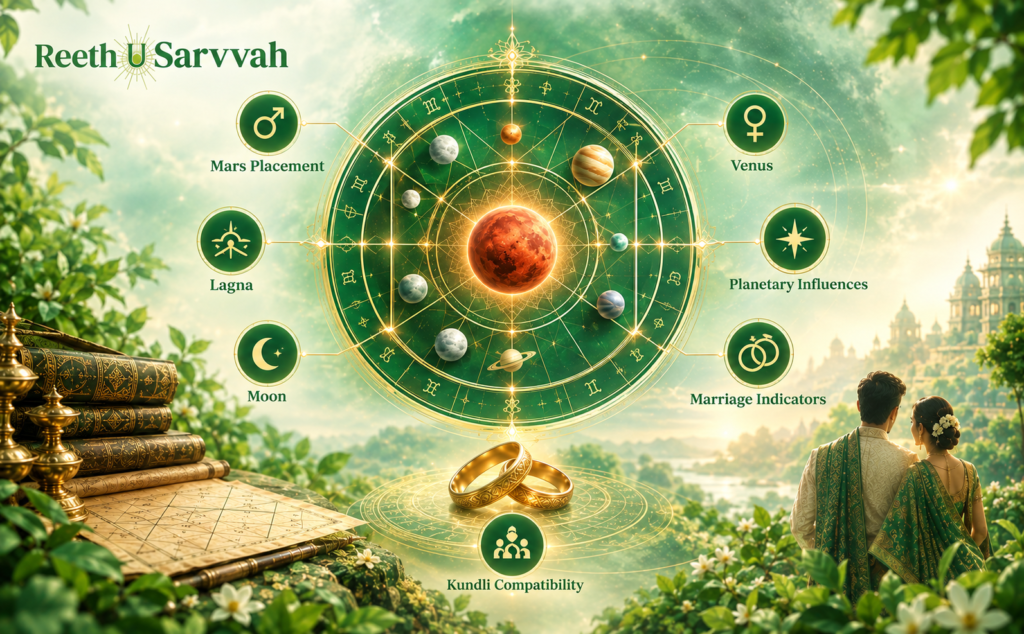

Read More

Ganesh Chaturthi & Hartalika Teej 2026: What Astrology Says About Starting Something New?

Ganesh Chaturthi astrology in Nagpur

Ganesh Chaturthi & Hartalika Teej 2026: What Astrology Says About Starting Something New?

Thinking of starting a business, a relationship, or a new habit but wondering if the timing is right?

It’s a question most of us ask ourselves at some point. We sit with an idea for weeks, sometimes months, unsure whether to take the leap now or wait. Interestingly, Indian festivals have always carried deep symbolism around exactly this dilemma. Two festivals that fall close together on the calendar Ganesh Chaturthi and Hartalika Teej are both deeply rooted in Ganesh Chaturthi astrology and its focus on new beginnings, removing obstacles, and building the inner resolve needed to start something meaningful. 

This isn’t just a coincidence. In astrology for starting something new, timing, intention, and inner readiness are believed to work together. Before we get into the exact dates and muhurat timings, let’s first understand what these festivals really represent and why so many people consider this an auspicious period to begin something new.

What These Festivals Represent (Astrologically)

These festivals aren’t just rituals; they reflect the inner readiness behind any real fresh start. 

Ganesh Chaturthi The Remover of Obstacles

Lord Ganesha is worshipped as Vighnaharta the remover of obstacles and as the god who is invoked first before any new venture, ceremony, or important decision. This is why, astrologically, Ganesh Chaturthi is considered an energetically supportive time to plant the seed of something new, whether that’s a business idea, a project, or a personal goal.

Hartalika Teej Devotion, Resolve, and Inner Discipline

Hartalika Teej, observed just before Ganesh Chaturthi, is centred around devotion, patience, and unwavering resolve. Symbolically, it represents the inner discipline a person needs before taking outward action, the quiet commitment that has to exist internally before a “new beginning” can actually succeed externally.

Together, these two festivals mirror a simple but powerful psychological sequence: first the resolve, then the removal of obstacles, then the beginning. This is exactly the energy many people look for when they’re contemplating a career shift, a relationship, or a fresh start of any kind.


Why Timing Matters in Astrology

In Vedic astrology, the concept of muhurat refers to an auspicious time window calculated using planetary positions, considered favourable for starting something important. We won’t get into exact dates here that’s reserved for our next post but it’s worth understanding the different factors that go into identifying an auspicious time to start something new.

▪ Planetary Influences and Your Birth Chart

Every individual has a unique birth chart, and planetary transits interact differently with each person’s chart. This is why a date that’s auspicious in general may not be equally powerful for everyone which is exactly why people consult an astrologer before big decisions.

Moon Phase and Tithi

The moon’s phase on a given day, known as the tithi, plays a big role in muhurat calculations. Some tithis are considered more supportive for beginnings, which is one reason festival dates like Ganesh Chaturthi carry natural astrological weight.

Planetary Retrogrades

Planetary retrograde is a period when a planet appears to move backward in the sky when viewed from Earth. The planet is not actually moving backward; it only appears that way because of the movement of Earth and other planets.

In astrology, retrograde periods are often considered a time for reflection, reviewing plans, correcting mistakes, and making thoughtful decisions. For this reason, astrologers may consider retrogrades when choosing a time to start something new.

Dasha Periods and Major Planetary Cycles

Your dasha, a longer planetary cycle unique to your birth chart also affects how favourable a phase feels for new ventures. Someone in a growth-oriented dasha may find even an ordinary day works well, while someone in a tougher cycle may need to time things more carefully.

A Quick Numerology Angle

Numerology adds another layer here. Your personal year and day numbers, calculated from your date of birth, are believed to show whether a phase suits action, reflection, or completion and many people notice these numbers aligning with festival periods like this one.


Signs You’re Astrologically “Ready” for a New Beginning

How do you know if you’re actually ready, beyond just wanting change? Here are a few relatable signs:

  1. The same idea keeps coming back: You often think about making a change, even after trying to ignore it. 
  2. You’re tired of staying in the same place: You feel that staying where you are is becoming more difficult than trying something new. 
  3. Numerology life-path alignment: your personal year or day number pointing toward growth, action, or new cycles.
  4. A sense of clarity rather than confusion when you imagine the new path, even if it feels a little scary.
  5. Opportunities start appearing: New conversations, people, or opportunities may encourage you to move in a new direction. 

None of these alone is a definitive sign, but when a few of them show up together, it’s usually worth paying attention.


Common Myths About Starting Something New During Festivals

Myth 1 : “Any day during the festival is automatically lucky”

Not quite. Festivals carry a generally supportive energy, but specific muhurat timings still matter, and personal chart compatibility matters even more.

Myth 2 : “If I miss the exact date, I’ve lost my chance”

Auspicious timing helps, but it isn’t the only factor. Intention, preparation, and consistent effort matter just as much as the date you begin.

Myth 3 : “Astrology tells you what will happen, not when to act”

Astrology is often misunderstood as pure prediction. In practice, much of it, especially around new beginnings, is about identifying supportive windows and being intentional about how you use them, not about guaranteeing outcomes.


How Reeth U Sarvvah Can Help You Decide

If you’re genuinely asking, “is it a good time to start something new astrology–wise,” or wondering whether this is the right season for a relationship, a career move, or a personal habit, a personalized reading can offer far more clarity than a general festival date ever could.

At Reeth U Sarvvah, we look at your individual birth chart alongside current planetary transits and your numerology profile to help you understand your specific timing, not just the collective one. If you’re evaluating a relationship or considering starting one, we also offer business numerology, couple numerology insights, since two people beginning something together often benefits from looking at both individual cycles as a pair.

If you’re based here and searching for an astrologer consultation in Nagpur, our sessions are designed to be practical and personalised not generic predictions, but insights you can actually use to plan your next step with more confidence.


FAQ:

Q1:  What does astrology say about starting something new?

Astrology looks at planetary positions, personal birth charts, and timing (muhurat) to identify periods that are generally more supportive for beginning new ventures, relationships, or habits.

Q2: Is Ganesh Chaturthi a good time to start a business astrologically?

Ganesh Chaturthi is traditionally associated with removing obstacles and new beginnings, making it a symbolically favourable period. However, whether it’s specifically good for you depends on your personal birth chart and current planetary transits.

Q3:How does numerology relate to new beginnings?

Numerology uses your personal year and day numbers, calculated from your birth date, to indicate cycles of growth, action, reflection, or completion helping identify periods more aligned with starting something new.

Q4: Where can I find a reliable astrologer in Nagpur for this?

Reeth U Sarvvah offers personalised astrology and numerology consultations in Nagpur, helping individuals and couples evaluate the right timing for business, relationships, and personal milestones.

Q5: Why are Ganesh Chaturthi and Hartalika Teej celebrated close together?

Both festivals fall within the same lunar phase in the Bhadrapada month and are symbolically connected — Hartalika Teej represents devotion and inner resolve, while Ganesh Chaturthi represents the removal of obstacles and new beginnings. Together, they reflect a natural progression from intention to action

Q6: Festival Date vs Personal Muhurat: What’s the Difference?

A festival date is a generally auspicious day associated with a particular festival and is considered suitable for starting certain activities. A personal muhurat is more specific and is selected based on your birth date, birth time, horoscope, and the purpose of the activity. While a festival date may be suitable for many people, a personal muhurat is chosen to better align the timing with an individual’s astrological factors.


Conclusion

Timing matters, but it’s not the whole story. Ganesh Chaturthi and Hartalika Teej show us that real new beginnings come from a mix of resolve, readiness, and removing what’s holding you back supported by planetary timing, your birth chart, and even your numerology cycle. Whether it’s a business, a relationship, or a habit, being “ready” isn’t about waiting for a perfect date; it’s about recognising the signs when they show up and trusting your own clarity.

If you’re still unsure whether this is truly your moment to begin, a personalized reading can help you see what the calendar alone can’t show you.

Not sure if now is your time? Book a Personal Astrology Consultation


📍 1st floor, Honey Indra Tower, Inox Rd, beside Mahindra Unnati Motors, near Garoba Maidan, Phase 2, Shastri Nagar, Nagpur, Maharashtra 440008
📞 +91 8087669357
📧 reetrupani1@gmail.com
🌐 reethusarvvah.in
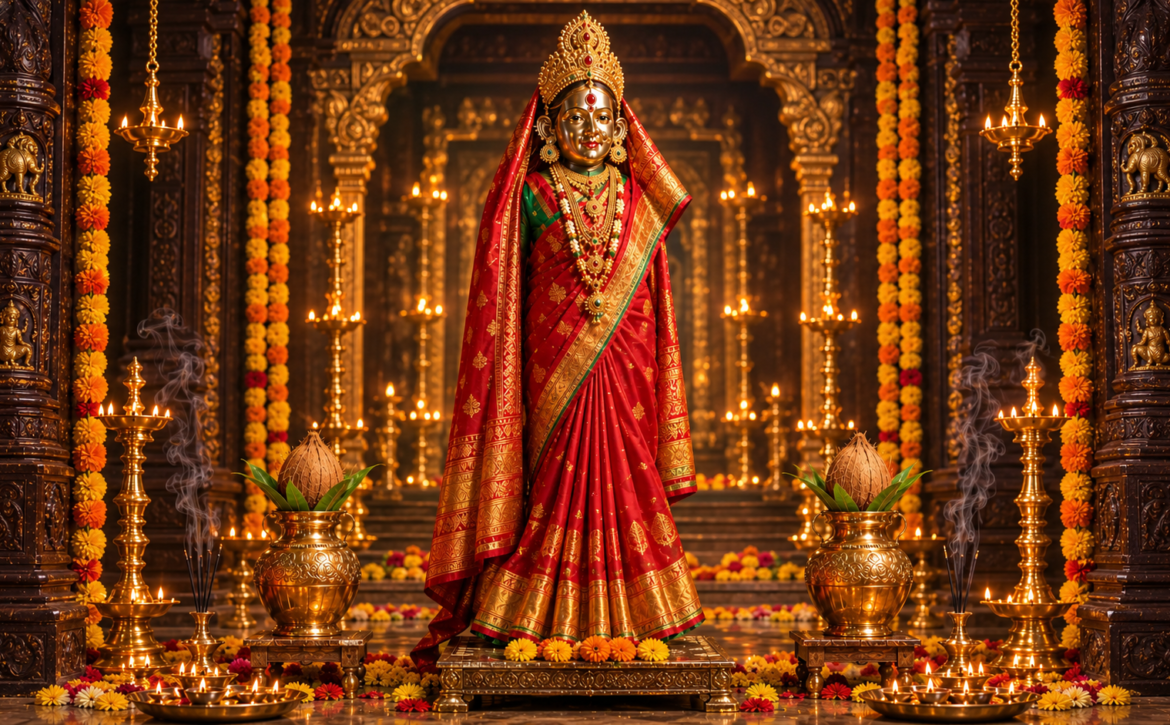

Read More

Shravan Somwar 2026 in Nagpur: A Numerology Guide to Love, Marriage & Career

Shravan Somwar 2026 in Nagpur

Shravan Somwar 2026 in Nagpur: A Numerology Guide to Love, Marriage & Career

Shravan Somwar is widely known as the most spiritually charged period of the Hindu year the Mondays dedicated to Lord Shiva, when devotion, fasting, and new beginnings are believed to carry extra weight. (For the full breakdown of Shravan Maas 2026 dates, rituals, and what the month means for your rashi, see our complete Shravan Month 2026 guide.)

This guide takes a different lens on the same sacred period: numerology. Rather than looking at your zodiac sign, we’ll look at your Mulank birth number and what Shravan Somwar 2026 may mean specifically for your love life, marriage timing, and career decisions, with a few dates worth marking if you’re in or around Nagpur.


Shravan Somwar 2026 Dates

Nagpur follows the Amanta calendar used across Maharashtra, so Shravan Maas 2026 runs 13 August to 11 September, with four Shravan Somwar falling on:

  • 17 August (also Nag Panchami)
  • 24 August
  • 31 August
  • 7 September

For the North vs. South date comparison, ritual steps, and rashi-wise mantra guidance, that’s all covered in detail in our Shravan Month 2026 guide this article focuses purely on the numerology angle from here on.


Why Numerology Adds a Different Layer to Shravan

Monday is traditionally the Moon’s day, and in numerology the Moon governs Mulank 2. That lunar-emotional thread running through Shravan Somwar is exactly why this period tends to stir up clarity (or confusion) in matters of the heart, regardless of your number but each Mulank experiences it a little differently.

Your Mulank (birth number) comes from reducing your date of birth to a single digit born on the 23rd, for instance, gives 2 + 3 = 5. It reflects your instincts, reactions, and day-to-day emotional patterns, which is exactly the layer that governs how you experience love, conflict, and decision-making during an emotionally heightened month like Shravan.


Love & Relationship Guide by Mulank This Shravan 2026

These readings are tied to the specific energy of Shravan 2026 Lord Shiva’s month, when the Moon’s pull is at its strongest. So what you read below is how your Mulank behaves during this window, not a fixed personality trait that follows you all year. Come Kartik or Chaitra, the same number can feel completely different.

Mulank 1 (born 1, 10, 19, 28): Partners may seem more emotionally open, this Shravan a good window for direct, honest conversations about where things are headed.

Mulank 2 (born 2, 11, 20, 29): Ruled by the Moon itself, you’re naturally in sync with Shravan’s energy. Expect heightened sensitivity useful for reconnecting or clearing up misunderstandings.

Mulank 3 (born 3, 12, 21, 30): Jupiter’s optimism is in your favor. Singles may meet someone through family or social circles this month.

Mulank 4 (born 4, 13, 22, 31): Rahu’s influence can bring some confusion. Better to focus on patience than push for major relationship decisions right now.

Mulank 5 (born 5, 14, 23): Mercury favors communication a good time to finally say what’s been left unsaid.

Mulank 6 (born 6, 15, 24): Venus governs romance for you. Shravan Somwar 2026 may support deeper emotional connection, honest communication, and strengthening relationships. 

Mulank 7 (born 7, 16, 25): Naturally introspective, you may feel pulled toward reflection rather than action. Use it to get clear on what you actually want.

Mulank 8 (born 8, 17, 26): Saturn’s discipline can make you cautious in love. Shravan is a good time to release old relationship baggage rather than force new decisions.

Mulank 9 (born 9, 18, 27): Mars brings passion and expressiveness good for resolving conflict with warmth instead of confrontation.


Marriage Timing: What Shravan Somwar 2026 Suggests by Mulank

Shravan is traditionally seen as a favorable window to open marriage conversations proposals, family discussions, matchmaking talks though the actual wedding muhurat should always be finalized with a proper astrological consultation, not from a general guide like this one.

Mulank
Marriage Outlook for Shravan 2026

1, 5, 6

Favorable — a good window for proposals and family conversations

2, 3, 9

Moderately favorable — worth some patience before finalizing dates

4, 7, 8

More reflective better suited to planning than finalizing right now

If you’re weighing which of the four Somwar dates to treat as a starting point for family discussions, the third and fourth Somwar (31 August and 7 September) tend to be favored locally, simply because they fall later in the month once the Solah Somvar Vrat momentum has built up not tied to any other festival.


Career & Money: What Shravan Somwar 2026 Suggests by Mulank

  • Mulank 1 & 8: Strong period for leadership moments, appraisals, and stepping into new responsibility.
  • Mulank 3 & 6: Favorable for creative work, partnerships, and client-facing roles.
  • Mulank 2 & 7: Better suited to research, planning, and upskilling than public moves right now.
  • Mulank 4 & 5: Good for networking and exploring options, hold off finalizing big decisions until after Shravan ends.
  • Mulank 9: Favorable for closing out pending projects before starting something new.

A simple way to use each Somwar practically: treat it as a monthly checkpoint. Journal what you want from your career that week, and revisit it the following Somwar: the reflective pull of the month makes this a natural rhythm to work with.


How Shravan Somwar Numerology Can Actually Improve Your Love Life & Career

Knowing your Mulank’s outlook is only half the picture; the real value comes from what you do with it on each Somwar. A few practical ways to turn the predictions above into action:

For love & relationships:

  • Pick one Somwar that matches your Mulank’s favorable window and use it to actually have the conversation you’ve been avoiding a status talk, an apology, or a long-delayed “where is this going.”
  • If your Mulank favors reflection (4, 7, 8) rather than action this month, use the Somwar to journal what you want instead of forcing a decision clarity now sets up better timing later.
  • Pair the day with one small, intentional gesture tied to your ruling planet’s color (e.g., white or silver for Mulank 2, yellow for Mulank 3) worn while having the conversation a simple way to walk in with more presence and calm.

For career & money:

  • Treat each of the four Somwars as a checkpoint, not just a puja day. Before evening aarti, write down one specific career action for the week ahead: a message to send, a decision to make, a project to close.
  • If your Mulank is favorable for leadership (1, 8) or partnerships (3, 6), use that Somwar specifically to raise a promotion conversation, a client pitch, a collaboration proposal rather than letting it pass as just a ritual day.
  • If your number favors research over action this month (2, 5, 7), use the reflective pull of Shravan to upskill or plan quietly, and save the bigger move for after the month ends.

The pattern across both areas is the same: numerology tells you when your energy is aligned the actual improvement comes from pairing that timing with one clear, specific action rather than treating the day as passive.


Get a Personalized Shravan Somwar 2026 Reading with Reeth U Sarvvah

Everything above is based on Mulank alone, a useful starting point, but only one layer of your full numerology profile. Your Bhagyank, name number, and current personal year all shape how this Shravan actually plays out for you, and that’s where general predictions stop being enough.

A personalized reading with Reeth U Sarvvah includes:

  • Your exact Mulank & Bhagyank combination, not just a generic birth-date lookup
  • Specific guidance on which Somwar in 2026 favors your relationship, marriage, or career decision
  • Compatibility insight if you’re weighing a proposal or engagement this season
  • Simple remedies colors, offerings, mantras matched to your actual chart, not a one-size list
  • Online consultation or one-on-one consultation in Nagpur, with over a decade of numerology & Vedic astrology practice

Book your Shravan Somwar 2026 numerology consultation →

The four Somwar dates this year 17, 24, 31 August and 7 September are the most meaningful windows to start. If you’re weighing a decision around any of them, that’s the right time to get a reading rather than after the month has passed.


FAQ:

Q1:  Does Shravan Somwar fasting help in love and relationships?

Shravan Somwar fasting is traditionally observed as a devotional practice dedicated to Lord Shiva. While fasting itself cannot help for better relationships or marriage outcomes, devotees may find that the practice encourages self-discipline, patience, reflection, and emotional awareness. These qualities can support healthier communication and relationships when combined with genuine effort and mutual understanding.

Q2: Can numerology predict when I will get married?

Numerology can point to favorable periods and compatible number combinations, but it can’t predict an exact date. It works best alongside a proper Kundali or muhurat consultation for finalizing an actual wedding date.

Q3: Which Mulank numbers are most favorable for marriage this Shravan 2026?

Mulank 1, 5, and 6 are generally seen as the most favorable for opening marriage conversations this Shravan, while 4, 7, and 8 benefit from a more patient, planning-first approach.

Q4: Can numerology actually predict career?

Numerology works best as a tool for self-awareness and timing, not a guarantee. Aligning decisions with your favorable personal cycles tends to bring more confidence, not certainty.

Q5: Which is the lucky number for Shravan Somwar 2026?

Number 2 is traditionally associated with Monday and the Moon in numerology. However, your personal lucky number depends on your Mulank, Bhagyank, name number, and other numerological factors.


Conclusion

Shravan Somwar 2026 is a good time to slow down and think about what you really want in love, in marriage, and at work. Your Mulank number won’t decide things for you, but it can help you pick the right moment to act, whether that’s having an honest talk with your partner, starting a marriage conversation with family, or taking the next step in your career.

Use these Somwars as a nudge, not a rulebook. The real change happens when you pair the right timing with a small, real action of your own.


Want a Personalized Reading for Your Number?

If you’re in Nagpur and want clarity on a relationship decision, marriage timing, or a career move this Shravan, contact Reeth U Sarvvah for a reading built around your exact Mulank, Bhagyank, and birth details.

📍 1st floor, Honey Indra Tower, Inox Rd, beside Mahindra Unnati Motors, near Garoba Maidan, Phase 2, Shastri Nagar, Nagpur, Maharashtra 440008
📞 +91 8087669357
📧 reetrupani1@gmail.com
🌐 reethusarvvah.in

Read More

Shravan Month (Maas) 2026: Significance, Rituals & What It Means for Your Rash

Shravan Month (Mass) 2026

Shravan Month (Maas) 2026: Significance, Rituals & What It Means for Your Rash

If you’ve been waiting for Shravan 2026 to begin, you’re not alone. This is the one month that lakhs of devotees across India mark on their calendars every single year. Shravan Month 2026 is considered the holiest period dedicated to Lord Shiva, a time when devotees observe fasts, perform daily worship, and seek blessings for health, peace, and prosperity. Whether you’re planning your temple visits, wondering what puja to perform, or curious what this sacred month means for your rashi this guide covers it all in one place. 


What is Shravan Month (Maas)? 

Shravan Maas, known as Shravan in everyday conversation, is the fifth month of the Hindu lunar calendar and is considered the most sacred month for the worship of Lord Shiva. Falling during the monsoon season (July–August or August–September, depending on the region), it is a time of fasting, prayer, and devotion. The month derives its name from the Shravana Nakshatra, the star constellation associated with the full moon during this period, and its dates vary each year according to the Hindu lunar calendar.   


Shravan 2026 Dates When Does Shravan Begin and End

One of the most searched questions every year is simple: when does Shravan begin, and when does it actually end? Since Hindu months are calculated using the lunar calendar, the dates shift slightly each year, and they also differ between North and South India.

This difference exists because North India follows the Purnimanta calendar (the month ends on the full moon), while South and West India including Maharashtra, where Nagpur is located follow the Amavasyant calendar (the month ends on the new moon). Both systems track the same lunar phases; they simply count the start and end of the month differently, which is why the two regional windows sit about two weeks apart even though they’re really following the same moon.

Shravan Month 2026 Dates by Region

States / AreaStart DateEnd Date
North IndiaRajasthan, UP, MP, Bihar, Punjab, Himachal Pradesh, Delhi30th July 202628th August 2026
South & West IndiaMaharashtra, Gujarat, Karnataka, Andhra Pradesh, Telangana, Tamil Nadu, Goa13th August 202611th September 2026

Shravan Somwar 2026 Dates

The Mondays of Shravan, known as Shravan Somwar, are considered the most auspicious days of the entire month for Shiva Puja. In 2026, the third Somwar of the North Indian calendar and the first Somwar of the South/West calendar both coincide with Nag Panchami making that particular Monday an especially significant day for worship in both traditions.

SomwarNorth IndiaSouth & West IndiaSignificance
1st Shravan Somvar3rd August 202617th August 2026First Shiva Monday of the month; South’s 1st Somvar coincides with Nag Panchami
2nd Shravan Somvar10th August 202624th August 2026Peak fasting observance
3rd Shravan Somvar17th August 202631st August 2026North’s 3rd Somvar coincides with Nag Panchami
4th Shravan Somvar24th August 20267th September 2026Final Somvar Solah Somvar Vrat completion for many

Why Is Shravan Month Considered So Sacred?

The significance of this month goes back to one of the most powerful stories in Hindu mythology, the Samudra Manthan, or the churning of the cosmic ocean. During this event, a deadly poison called Halahala emerged, threatening to destroy all of creation. Lord Shiva, out of compassion for the universe, drank the poison and held it in his throat, which turned blue earning him the name Neelkanth. Devotees believe this sacrifice happened during Shravan, which is why the entire month is dedicated to honouring him. Pouring water and milk over the Shivling throughout Shravan is symbolic of cooling that poison and easing Lord Shiva’s suffering.

Another popular legend connects this month to Goddess Parvati, who is said to have observed deep penance and fasting through Shravan to be united with Lord Shiva as her husband. Pleased by her devotion, Shiva accepted her prayers which is why unmarried women, even today, observe fasts during this month hoping for a similarly blessed union. 


Why Does Shravan Fall in July–August Every Year?

Every Hindu lunar month gets its name from the Nakshatra (star constellation) the moon is closest to on the Purnima, or full moon day, of that month. Since the full moon during this period falls near the Shravana Nakshatra, the month itself is named Shravan. Because Hindu months follow the lunar calendar while the seasons follow the solar calendar, the two don’t align perfectly. This is exactly why Shravan 2026 dates differ slightly from last year’s, and why they’ll shift again next year. It’s a reminder that timing and naming in Vedic tradition are rarely arbitrary much like how your own Mulank is derived from the specific date you were born.

There’s also a deeper spiritual layer to the timing. Shravan falls within Chaturmas, the four-month period in the Hindu calendar when Lord Vishnu is believed to enter a state of cosmic rest, and the responsibility of overseeing the universe temporarily shifts to Lord Shiva, one of the key reasons devotion turns so intensely toward Shiva during this specific window.

And finally, Shravan arrives right in the middle of the monsoon season across most of India. Many devotees see this as nature performing its own abhishek the rain itself becoming an offering, washing over temples, rivers, and Shivlings throughout the land.   


Core Puja Rituals for Shravan 2026

Jalabhishek : Offering plain water over the Shivling, ideally from a copper or brass vessel, is the simplest and most widely practiced ritual of the month. Many devotees perform this daily, while others do it specifically on Mondays.

Rudrabhishek : A more elaborate version of abhishek, performed using panchamrit (a mix of milk, curd, ghee, honey, and jaggery) along with Vedic chanting. It’s considered highly powerful during Shravan and especially recommended for those facing repeated obstacles, health concerns, or delays in important life decisions.

Bael Patra offering : Offering three-leaved Bael (Bilva) leaves on the Shivling is considered extremely dear to Lord Shiva and is done after abhishek, along with chanting the Panchakshari mantra.

Chanting Om Namah Shivaya : The most repeated mantra through the month. Many devotees chant it daily during meditation, while performing abhishek, or simply while going about their day, believing it brings calm and protection.

Wearing a Rudraksha mala : Shravan is traditionally considered the best time of year to begin wearing Rudraksha, as its energy is believed to be most activated during this period. It’s also commonly used to keep count while chanting mantras.

Solah Somvar Vrat : Many unmarried women begin the 16-Monday fast starting from the first Somwar of Shravan, praying for a compatible life partner. Married women often observe the same fast for their husband’s long life and family harmony.

Kanwar Yatra : In North India especially, devotees known as Kanwariyas walk long distances to fetch holy water from the Ganga and offer it at Shiva temples in their hometown, dressed in saffron and carrying the water on decorated poles called kanwars.    


Setting Up Your Puja Space for Shravan Month 2026

The fragrance in your puja space matters more than most people realise — different rituals through Shravan traditionally call for different scents. Here’s a simple guide to help you pick the right one for each occasion this month.

OccasionSuggested ScentWhy It Fits
Daily Shivling AbhishekSandalwoodA calm, grounding fragrance long associated with Shiva worship
Shravan Somvar Evening AartiOudhA rich, long-lasting scent that suits extended evening prayers
Nag Panchami and other festival daysLotusA traditional festive fragrance considered auspicious for celebrations
Family gatherings during Hariyali Teej or Raksha BandhanRoseA warm, welcoming scent suited to guests and shared rituals
Extended mantra chanting sessionsSandalwood dhoop conesBurns slowly, making it practical for longer japa sessions
Damp monsoon days indoorsLemongrassA sharp, fresh note that helps cut through monsoon humidity
Unwinding after a Somvar fastLavenderA gentle, soothing scent to help you relax at day’s end

Small touches like this can make your daily Shravan practice feel more intentional, even if the puja itself takes just a few minutes.

Dos and Don’ts During Shravan Month

Do’sDon’ts
Perform daily Shiva puja, even a short oneAvoid non-vegetarian food, fish, and eggs
Fast on all four Shravan Somwar, or as many as possibleAvoid alcohol
Offer Bael leaves, milk, and water to the ShivlingAvoid onion and garlic
Chant Om Namah Shivaya or the Maha Mrityunjaya mantra dailyAvoid leafy green vegetables (monsoon hygiene tradition)
Maintain a simple sattvic diet through the monthAvoid packaged or heavily processed food
Visit temples and participate in satsangAvoid unnecessary arguments or negative speech
Practice charity or daan, considered especially fruitful this monthAvoid excessive non-essential spending or indulgence

Health Benefits of Shravan Fasting

Beyond its spiritual purpose, Shravan fasting is also linked to practical wellness benefits. Monsoon naturally slows digestion, so the lighter, sattvic diet followed during Somvar Vrat is traditionally believed to ease digestive strain and support better immunity during infection-prone monsoon months. Many devotees also find the discipline of fasting brings sharper focus and mental clarity through the month.  


Shravan Month 2026 Influences Your Rashi

Beyond the rituals, many people turn to Vedic astrology every year to understand how this sacred month influences their zodiac sign specifically. This period is considered ideal for burning away accumulated karma and reducing obstacles — but each rashi tends to respond to Shiva’s energy a little differently.

ZodiacRecommended MantraBenefit
Aries (Mesh)Maha Mrityunjaya MantraChannels fiery, impulsive energy into calm, focused action
Taurus (Vrishabh)Om Namah ShivayaEases stubbornness and restores emotional balance
Gemini (Mithun)Om Namah ShivayaBrings focus and clarity to a naturally restless mind
Cancer (Kark)Om Namah Shivaya (with Rudrabhishek)Brings emotional stability and relief from long-pending stress
Leo (Simha)Om Namah Shivaya (simple, quiet worship)Balances natural ego with genuine humility and devotion
Virgo (Kanya)Om Namah ShivayaSupports better health and sharper mental clarity
Libra (Tula)Om Namah Shivaya (evening chanting)Restores balance in relationships and decision-making
Scorpio (Vrishchik)Maha Mrityunjaya Mantra (108 times)Supports deep transformation and release of old patterns
Sagittarius (Dhanu)Om Namah ShivayaSupports clarity in financial and career matters
Capricorn (Makar)Om Namah Shivaya (with daily Jalabhishek)Helps manage work pressure and brings steady, long-term results
Aquarius (Kumbh)Om Namah Shivaya (with an hour of silence)Brings clarity on major life decisions
Pisces (Meen)Om Namah Shivaya (with Somwar fasting)Enhances intuition and inner peace

Major festivals during Shravan 2026 

Shravan isn’t just about daily rituals; several major festivals fall within this window too.

FestivalDateWhat It Marks
Hariyali Amavasya12th August 2026New moon day observed with nature worship and offerings to ancestors
Hariyali Teej15th August 2026Celebrates the divine union of Shiva and Parvati, observed by women through fasting and prayer
Nag Panchami17th August 2026Worship of the Naga serpents, closely tied to Shiva’s identity as Nagabhushana
Shravani Purnima / Raksha Bandhan28th August 2026Full moon of Shravan, marks Raksha Bandhan and Solah Somvar Vrat completion for many devotees
Krishna Janmashtami4th September 2026Celebrates the birth of Lord Krishna

Shravan in Nagpur: Where to Go This Month

If you’re observing Shravan in Nagpur, the city’s older Shiva temples see a noticeable rise in footfall through the month, especially on Somwars.

Telankhedi (Kalyaneshwar) Shiv Mandir, on the banks of Telangkhedi Lake, is one of Nagpur’s oldest Shiva temples believed to be roughly 400 years old, built in the Hemadpanthi style using basalt stone. It’s a quieter alternative to the city’s larger temples and holds regular Shravan Somwar observances, including doodhabhishek (milk abhishek).

Ambhora, on the banks of the Kanhan river near Nagpur, is home to another well-known Shiva shrine that draws pilgrims from across the district through the monsoon months.

If you’re planning temple visits on a Shravan Somwar, go early morning or during Pradosh Kaal (around sunset) to avoid the heaviest crowds.     


Get Personalised Shravan Guidance in Nagpur with Reeth U Sarvvah

The rituals and rashi guidance above offer a solid starting point, but every kundali is different, and general moon-sign predictions can only go so far. For those in Nagpur wanting guidance tailored to their exact birth chart on marriage, career, health, or timing a decision around this Shravan, Reeth U Sarvvah a Vedic astrologer and numerologist based in Nagpur — offers one-on-one consultations. This guidance also extends to rashi-specific gemstone and bracelet recommendations matched to your individual birth chart, so the remedies you carry through the month are personal rather than generic. Book a consultation to get guidance specific to your chart rather than your sun sign alone. 


FAQ:

Q1:  When does Shravan Month 2026 start and end?

In North India, Shravan Month 2026 begins on 30th July and ends on 28th August. In Maharashtra, Gujarat, and South India, it begins on 13th August and ends on 11th September 2026.

Q2: Why is Shravan celebrated in July–August every year?

Hindu months follow the lunar calendar, which doesn’t line up exactly with the solar calendar. The month takes its name from the Shravana Nakshatra that appears near the full moon during this period, and it typically lands in the monsoon months of July and August as a result.

Q3: What is the connection between Shravan and Chaturmas

Shravan falls within Chaturmas, the four-month stretch when Lord Vishnu is believed to enter cosmic rest. During this period, Lord Shiva is believed to take on responsibility for overseeing the universe, one of the key reasons devotion turns so strongly toward him through Shravan

Q4: How many Shravan Somwar are there in 2026?

There are four Shravan Somwar dates in both calendars: 3rd, 10th, 17th, and 24th August in North India, and 17th, 24th, 31st August, and 7th September in South and West India.

Q5: Why do devotees avoid cutting hair and nails during Shravan?

Many devotees treat Shravan as a month of restraint and purity, similar to any vrat period. Avoiding hair and nail cutting is part of that broader discipline, the same instinct behind skipping non-vegetarian food or alcohol during the month rather than a rule tied to any single ritual.

Q6: Which zodiac signs are most favoured during Shravan 2026?

Based on general Vedic astrology principles, Cancer, Scorpio, Virgo, and Pisces are considered to receive comparatively stronger favourable support for this Shravan, though actual results depend on each individual’s birth chart.

Q7: What should I do if I accidentally break my Shravan fast?

 If your Shravan fast is broken accidentally, don’t worry. Offer a sincere prayer to Lord Shiva, ask for forgiveness, and continue your worship with devotion. If possible, observe the remaining part of the fast or keep the next Shravan Somwar vrat with renewed dedication. In Hindu tradition, genuine faith and devotion are considered more important than strict perfection in following rituals.

Q8: Is it necessary to fast every Monday during Shravan?

No while fasting on all four Somwars is considered ideal, even partial observance, or fasting on just one or two Mondays with sincere devotion, is regarded as meaningful.


Conclusion

Shravan Month 2026 offers something most months don’t: an entire stretch of time set aside purely for devotion, reflection, and connecting with Lord Shiva’s energy. Whether you follow every ritual to the letter or simply chant Om Namah Shivaya with sincerity each day, what matters most through this month is the intention behind it.


📍 1st floor, Honey Indra Tower, Inox Rd, beside Mahindra Unnati Motors, near Garoba Maidan, Phase 2, Shastri Nagar, Nagpur, Maharashtra 440008
📞 +91 8087669357
📧 reetrupani1@gmail.com
🌐 reethusarvvah.in
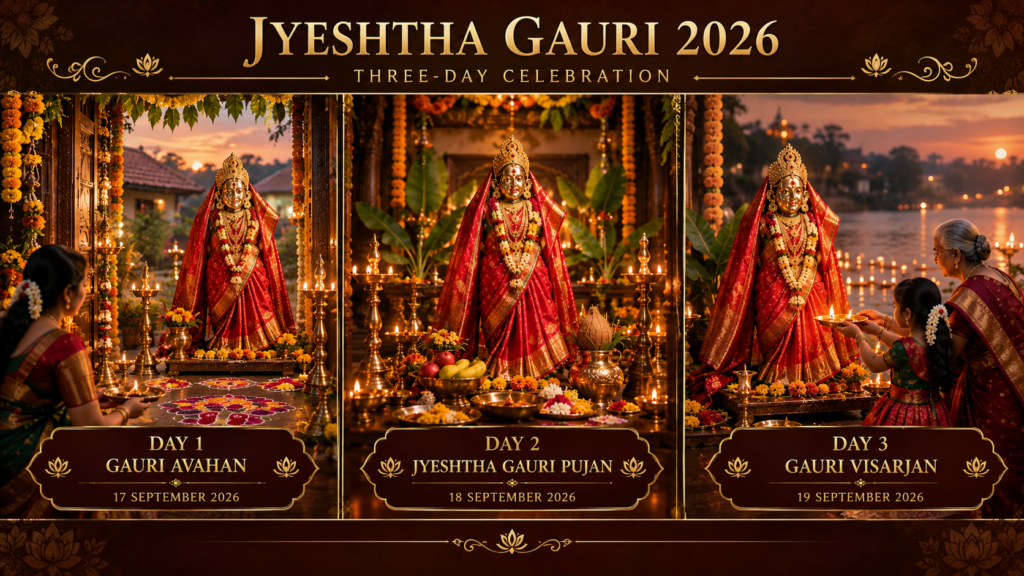

Read More

Astro-Numerology & Raksha Bandhan: What Your Numbers Reveal About Your Sibling Bond with Gift Ideas by Rashi

Raksha Bandhan Numerology 2026 in Nagpur

By Reeth U Sarvvah | Expert Numerologist and  Astrologer | Nagpur

Astro-Numerology & Raksha Bandhan: What Your Numbers Reveal About Your Sibling Bond with Gift Ideas by Rashi

Raksha Bandhan is more than a thread tied around the wrist. It’s a reminder of a bond shaped by shared homes, memories, and sometimes, shared stars. This year, many families across Nagpur and beyond are exploring Raksha Bandhan numerology to understand their sibling relationships a little more deeply.

By combining Vedic astrology and numerology, we can look at a sibling pair through two lenses, their Rashi and their Mulank. Together, these systems explain why some sibling bonds feel effortless and others need more patience, while also making gift-giving far more meaningful this Raksha Bandhan 2026.   


Why Astro-Numerology Makes Raksha Bandhan More Meaningful

Astro-numerology sibling relationship insight, blending Rashi and birth numbers like Mulank and Bhagyank, helps explain why a sibling bond feels the way it does, who leads, who mediates, who needs space, without predicting the future or labeling anyone. During Raksha Bandhan, this makes gift-giving far more thoughtful too, letting you choose a gift, gemstone, or rakhi colour that genuinely fits your sibling’s personality, rather than something generic.  


What Your Mulank Reveals About Your Role as a Sibling

Your Mulank, or birth number, comes from your date of birth and shapes the specific role you tend to play within a sibling relationship, why some naturally take the lead, why others mediate conflict, and why some need more independence. Mulank compatibility siblings are generally judged by how the ruling planets of each number interact, pairs like 1 and 3 tend to be naturally harmonious, while pairs like 1 and 8 may need more conscious effort, since both are strong-willed. Neither is “better,” they simply reflect different textures of connection.

Here’s what each Mulank suggests about your sibling role, paired with a fitting idea from our numerology gift guide. For your full Mulank profile, ruling planet, and Mulank calculation birth number method, visit our Mulank calculator page. 

MulankSibling Role
1Takes charge in family matters, often protecting siblings unasked
2Calms sibling arguments and keeps peace at home
3Lightens the mood at family gatherings
4The one everyone turns to for grounded, practical advice
5Needs siblings to respect their independence and space
6Takes on a caring, almost parental role
7Prefers deep one-on-one talks over group chatter
8Shows love through action and support, not words
9Becomes the emotional anchor in tough times

What Your Rashi Reveals About Your Sibling Bond, Gifts & Gemstones

Rashi comes from the moon’s position at birth and adds an emotional layer to sibling bonds. Rashi sibling compatibility is one of the most searched topics during Raksha Bandhan, and once you know your sibling’s Rashi, understanding the bond and choosing a gift, including a Rashi gift idea for Raksha Bandhan pick and a matching gemstone, becomes far more intuitive – for what each stone represents and why it’s chosen, see our full guide on choosing the right gemstone.

RashiSibling TraitGift IdeaGemstone
AriesProtective, quick to stand up for familyFitness gear or something adventurousRuby
TaurusShows love through consistency and comfortCozy hamper or skincare setDiamond or White Sapphire
GeminiBonds through conversation and curiosityBooks or journalsEmerald
CancerDeeply emotional, holds on to traditionsPersonalized photo frame or handwritten letterPearl
LeoGenerous, loves celebrating othersStatement accessories or something celebratoryRuby
VirgoCares through thoughtful, practical gesturesOrganizers or plannersEmerald
LibraValues harmony, the family peacemakerElegant home décor or perfumesDiamond
ScorpioForms intense, loyal bondsA meaningful keepsakeRed Coral
SagittariusBrings honesty and a sense of adventureTravel voucher or outdoor gearYellow Sapphire
CapricornSteady and quietly supportiveClassic watch or quality walletBlue Sapphire
AquariusBonds over shared values and individualitySomething unique and unconventionalBlue Sapphire
PiscesConnects through empathy and intuitionArt supplies or a heartfelt cardYellow Sapphire

If your sibling prefers something wearable over a traditional gemstone, our healing bracelets, including Moonstone and multi-crystal styles, make an easy everyday alternative that still carries the same astrological intention, and for rakhi colors by rashi, fire signs suit red, earth signs suit green, air signs suit yellow or white, and water signs suit blue or silver.    


Best Raksha Bandhan Gifts 2026 (By Budget)

Under ₹1,500 – A single healing bracelet or a small gemstone pendant makes a thoughtful, wallet-friendly pick.

₹1,500 and above – A certified Rashi Ratna gemstone from our Gemstones collection makes a lasting, meaningful gift.

Not sure which stone or bracelet suits your sibling’s chart? Reeth U Sarvvah can help you pick the right one this Raksha Bandhan 2026.


Shop Rashi Ratna & Gemstones with Reeth U Sarvvah

At Reeth U Sarvvah, every gemstone and bracelet is astrologically curated and energized, so your Raksha Bandhan gift carries real meaning, not just aesthetics. With over a decade of experience in Vedic astrology and numerology, Reeth U Sarvvah helps you choose the right Rashi Ratna for your sibling’s specific chart, rather than a generic pick off a shelf. Explore the gemstone and bracelet collection on our website, or book a quick consultation for a personalized recommendation this festival season.   


FAQ:

Q1:  When is Raksha Bandhan in 2026 festive timing details and celebration guidelines?

Raksha Bandhan 2026 falls on Friday, August 28, the Purnima (full moon) of Shravan month. The auspicious rakhi-tying muhurat is 5:57 AM to 9:48 AM, since Bhadra Kaal ends before sunrise this year, leaving the entire morning free for the ritual.

Celebration guidelines:

If you miss the muhurat: Avoid Rahu Kaal and tie the rakhi anytime later in the day the ritual stays valid, the morning window simply carries the most auspicious result.

Morning window: Because Bhadra Kaal ends before dawn, families don’t need to wait until later in the day the ritual can be performed as soon as the morning muhurat begins.

International timing: For those celebrating outside India, such as in the USA or Canada, the corresponding local date falls on Thursday, August 27 due to the time difference.

Q2: How is Raksha Bandhan and sibling bonds calculated, and can I do it myself?

Sibling bond compatibility is read through two numbers, your Rashi (moon sign, based on birth date and time) and your Mulank (birth number, based on date of birth alone). To calculate your own Mulank, add the digits of your birth date together until you reach a single number. For example, someone born on the 23rd would add 2 + 3 to get Mulank 5. Rashi is a little more involved since it depends on the moon’s exact position at birth, so it’s best checked using a birth chart rather than worked out by hand. You can use our free Mulank calculator for the birth-number side, and Reeth U Sarvvah for a full Rashi and compatibility reading between you and your sibling.

Q3: Does Mulank or Rashi affect sibling compatibility?

Yes, Mulank reflects personality and roles like who leads or mediates, while Rashi reflects emotional tendencies and closeness. Neither number labels a bond as “good” or “bad,” they simply explain its natural texture.

Q4: Which gemstone should I gift my sibling on Raksha Bandhan?

It depends on their Rashi for example, Ruby suits Aries and Leo, Pearl suits Cancer, and Emerald suits Gemini and Virgo. Gifting the stone tied to their sign adds a personal, meaningful touch to the traditional rakhi gift.

Q5: Is a zodiac-based gemstone accurate enough, or do I need a birth chart?

A zodiac-based pick is a good general starting point for gifting occasions like Rakhi, but a full birth chart considers planetary strength too, giving a more accurate, personalized recommendation this is where booking a reading with Reeth U Sarvvah helps.

Q6: Is Mulank the same for twins?

Yes, twins born on the same date share the same Mulank, though their Rashi may still differ slightly based on exact birth time.


Q7: Is Mulank the same for twins?

No, Mulank only needs the date of birth, not the exact time.

Q8: What are good Raksha Bandhan gift ideas under ₹1000?

A single healing bracelet, a small gemstone pendant, or a personalized card paired with a mini crystal all make thoughtful, budget-friendly picks that still carry astrological meaning.


Conclusion

Raksha Bandhan is about appreciating a bond that has shaped who you are. Understanding Astro-numerology sibling relationship patterns through Rashi and Mulank doesn’t replace the emotional truth of that bond, it simply helps you celebrate it more meaningfully. If you’re looking to explore Raksha Bandhan numerology in Nagpur, this festival is the perfect time to start. Whether you choose Raksha Bandhan gifts by rashi, a gift by Mulank, or a gemstone from Reeth U Sarvvah, the goal stays the same, making your sibling feel truly seen this year. For a personalized reading of your sibling bond, book a consultation with Reeth U Sarvvah today.


Book Your Raksha Bandhan Numerology Consultation Today

This Raksha Bandhan, gives a gift that reflects who your sibling truly is. Calculate their Mulank, then explore our numerology & astrology services to find the right gift, gemstone, or bracelet for their chart. Book an appointment or reach out to us  or visit Reeth U Sarvvah to explore more.

📍 1st floor, Honey Indra Tower, Inox Rd, beside Mahindra Unnati Motors, near Garoba Maidan, Phase 2, Shastri Nagar, Nagpur, Maharashtra 440008
📞 +91 8087669357
📧 reetrupani1@gmail.com
🌐 reethusarvvah.in

Read More

Mulank vs. Bhagyank — Understanding Your Core Numbers in Numerology

By Reeth U Sarvvah | Expert Numerologist and  Astrologer | Nagpur

Have you ever felt that no matter how hard you try, life seems to pull you in a direction you didn’t plan for? Or wondered why two people born in the same city, with similar backgrounds, live completely different lives?

The answer, more often than not, lies in your numbers.

As an expert numerologist with over a decade of practice in Nagpur, I have guided thousands of people toward clarity—in their careers, relationships, and life choices—simply by decoding two powerful numbers: Mulank and Bhagyank. These are not random digits. They are the blueprint of who you are and where you are meant to go.

Let’s understand them deeply.


What Is Mulank? (Your Root Number / Psychic Number)

Mulank—also called the “Psychic Number” or “Root Number”—is calculated from your date of birth. Specifically, it is the single-digit sum of the day on which you were born.

For example, if you were born on the 29th, your Mulank is 2 + 9 = 11 → 1 + 1 = 2. If you were born on the 15th, your Mulank is 1 + 5 = 6.

Your Mulank represents your inner self—your personality, your instincts, how you see yourself, and how you react to the world around you. It is the number that governs your conscious mind. It reflects your natural strengths, your habits, and the energy you carry from birth.

Think of Mulank as the foundation of your house. It is what you are made of at the core.

To calculate your mulank – Click Here


What Is Bhagyank? (Your Destiny Number / Life Path Number)

Bhagyank—also known as the Destiny Number or Life Path Number—is calculated from your full date of birth: day + month + year, all reduced to a single digit.

For example: Born on 15 August 1990 → 1+5+0+8+1+9+9+0 = 33 → 3+3 = 6. Your Bhagyank is 6.

While Mulank tells you who you are, Bhagyank tells you where you are going. It reveals your life’s purpose, the opportunities that are naturally meant for you, and the path that the universe has laid out for your soul.

As a Life Path Numerologist Expert, I always say this to my clients: your Mulank is your personality, your Bhagyank is your destiny. One is the seed; the other is the direction of growth.


Mulank vs. Bhagyank — Key Differences

Mulank (Psychic Number):

  • Calculated from birth date (day only)
  • Represents personality, instincts, inner nature
  • Reflects how you think and react
  • Influences relationships and daily choices

Bhagyank (Destiny Number):

  • Calculated from full birth date
  • Represents life purpose and direction
  • Reflects the lessons and opportunities coming your way
  • Influences long-term outcomes and karma

Together, these two numbers paint a complete picture of your numerological profile.


Why Do Both Numbers Matter Together?

This is where it gets truly fascinating—and where most people make mistakes by focusing on only one number.

When your Mulank and Bhagyank are compatible, life flows with natural ease. You feel aligned. Your personality supports your purpose.

When they conflict, you experience constant inner tension—like driving with one foot on the accelerator and the other on the brake.

For example, a person with Mulank 1 (ambitious, independent) and Bhagyank 6 (nurturing, family-oriented) may constantly struggle between personal goals and family duties. Understanding this conflict is the first step toward harmony.

This is exactly why, in my practice of Marriage Compatibility Numerology in Nagpur, I never look at just one number. Both partners’ Mulank and Bhagyank combinations reveal whether two people will naturally support each other’s growth—or create friction.


How Mulank and Bhagyank Guide Real-Life Decisions

1. Career and Business

Many of my clients come to me confused about career choices or business struggles. Through Numerology for Career Success, I analyze both numbers to find which profession aligns with your natural energy (Mulank) and your long-term growth path (Bhagyank).

For entrepreneurs, Business Name and Growth Numerology also play a powerful role. Your business name must vibrate in harmony with your Mulank and Bhagyank — or the business will always feel like an uphill climb.

2. Relationships and Marriage

In marriage consultations, understanding the Mulank-Bhagyank combinations of both partners is essential. Two people may feel deeply attracted (Mulank compatibility) but face long-term friction (Bhagyank mismatch). My clients across Nagpur — from Dharampeth to Civil Lines — have found clarity and confidence in their relationships through this analysis.

3. Personal Growth

When you understand which number governs your present behavior (Mulank) and which governs your future path (Bhagyank), you stop fighting yourself. You start working with your energy, not against it.


FAQ:

Q1: Can my Mulank and Bhagyank be the same number?

 Yes, absolutely. If your birthday digit and full date both reduce to the same number, your personality and destiny are naturally aligned—a very powerful position to be in.

Q2: Which number is more important – Mulank or Bhagyank?

Both are equally important. Mulank shapes your present self; Bhagyank shapes your life’s direction. Ignoring either gives you an incomplete picture.

Q3: Can numerology really help with career decisions?

succeed. Yes. Numerology for Career Success works by aligning your natural strengths (Mulank) with the opportunities your destiny supports (Bhagyank). It helps you choose paths where you are naturally wired to succeed.

Q4: How is marriage compatibility? Numerology done in Nagpur?

I calculate both partners’ Mulank and Bhagyank, analyze their compatibility across life, finances, and emotional energy, and guide couples toward informed decisions. I offer both in-person sessions in Nagpur and online consultations.

Q5: Does my business name affect success? 

Significantly. In business name and growth numerology, the numerical value of your business name must harmonize with your Mulank and Bhagyank. A misaligned name creates invisible resistance in business growth.


Conclusion

Numerology is not about predictions painted in fear. It is a science of self-awareness – a mirror that shows you who you truly are and where you are genuinely meant to go.

Your Mulank and Bhagyank together hold the map of your life. Understanding them is not a luxury; it is one of the most empowering things you can do for yourself, your relationships, and your career.

Whether you are navigating a career crossroads, considering marriage, or building a business, decoding these two core numbers is the first step toward living with clarity and confidence.

If you would like a personalized reading of your Mulank and Bhagyank, I am here to guide you. As a trusted life path numerologist expert and Expert Numerologist based in Nagpur, I have helped clients across Shastri Nagar, Wardha Road, Sadar, and beyond and I would love to help you too.

Book your consultation today. Call / WhatsApp: +91 8087669357 Visit: Honey Indra Tower, Shastri Nagar, Nagpur – 440008 Online: reethusarvvah.in

Get Your First Free Session!

Know what the stars and numbers reveal about your career, relationships, health, finances & life direction.
Get a personalized guidance session from Reeth U Sarvvah.